


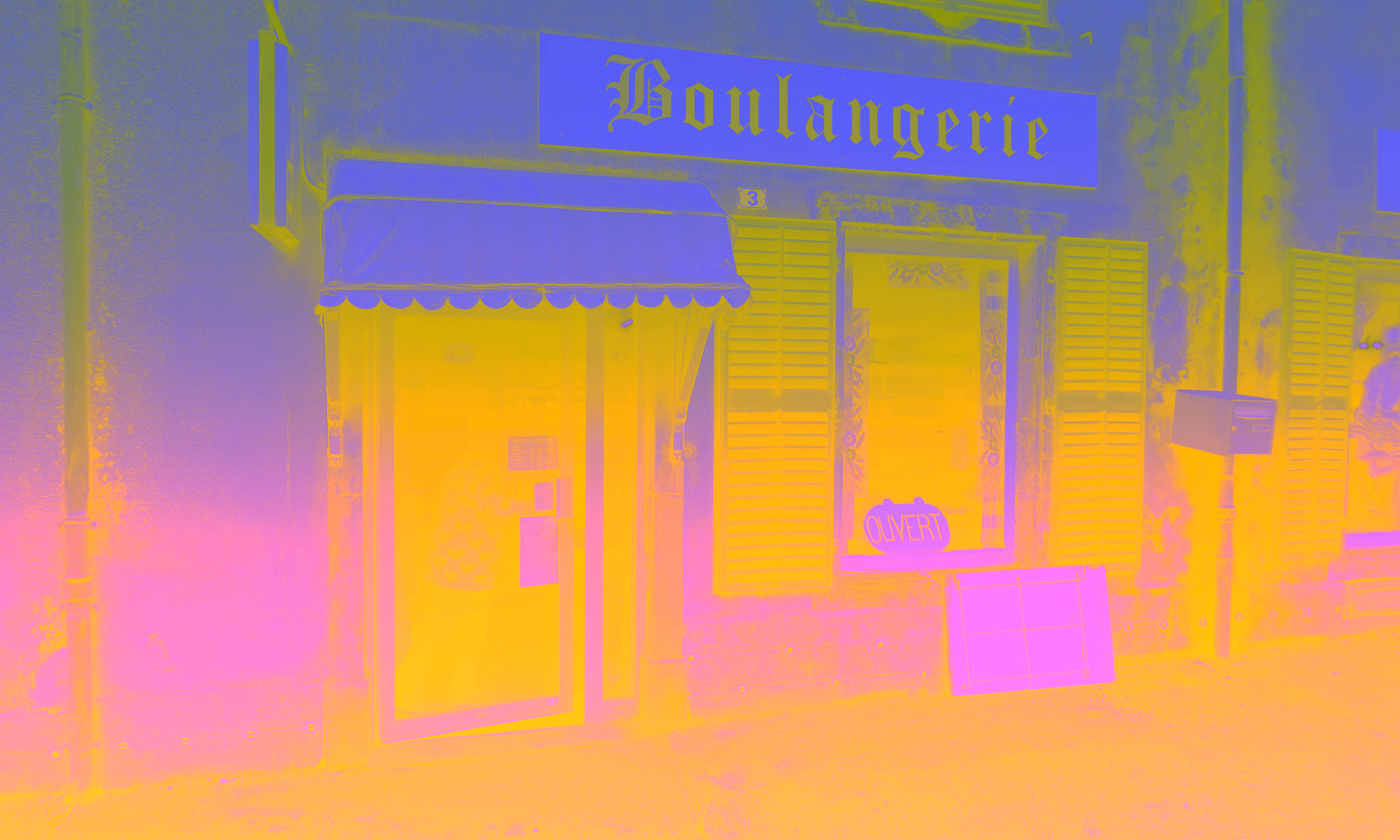
They had come quietly, these young bakers. One morning, the shop had opened its shutters, and from then on, the village had adopted them. No one knew where they came from, nor why they had settled in this town of the center. They were greeted with respect, because their presence had this rare quality: it imposed itself without ever being heavy. They did not indulge themselves. Their smiles were enough.
Good Warm Bread
They had arrived one morning in September, without a burst. An ordinary van, two young silhouettes, a bread oven that had been installed in the old shop left empty for years. No word of explanation. The curtains had risen, the door had opened, and the first passers-by had found bread still warm, of a quality that was no longer known.
They hardly spoke. A hello, a smile, change returned. But the village, which knew how to recognize the value of simple things, immediately adopted them. The evidence was there: they were in their place. One did not long wonder where they came from. They simply called them the bakers.
We sometimes saw them, in the evening, closing the shop in a golden light, their clear and silent gestures. Their beauty held the eye, but a serious beauty, like an unadorned nobility. The villagers said: “They are good people.” And that was it.
The days lined up, punctuated by the oven and the batches. From dawn, the light of their shop lit up the narrow street. The villagers crowded there with this tacit trust given to artisans who know how to give more than bread: a comfort, a warmth.
Discretion
We knew nothing about them. They didn’t tell each other anything. Barely a word was exchanged, sometimes a discreet laugh, always a firm and gentle politeness. But we felt a depth, a reserve. It was not cold, no: rather like a secret, a buried gravity, which enhanced their smile instead of diminishing it.
One might have said that a secret bound them, that an imperceptible crack held back their gestures. But nothing was sad in them: only a restraint, like the mark of those who approached the abyss and rose from it silently. Some elders, more attentive than others, thought of those who, having lost a child, keep on the face a different light: a mixture of absence and dignity. We never dared to ask questions. We respected this silence. We loved it.
And they left the bakery like a modest sanctuary, with its bread under their arms, and a peace that was not explained.
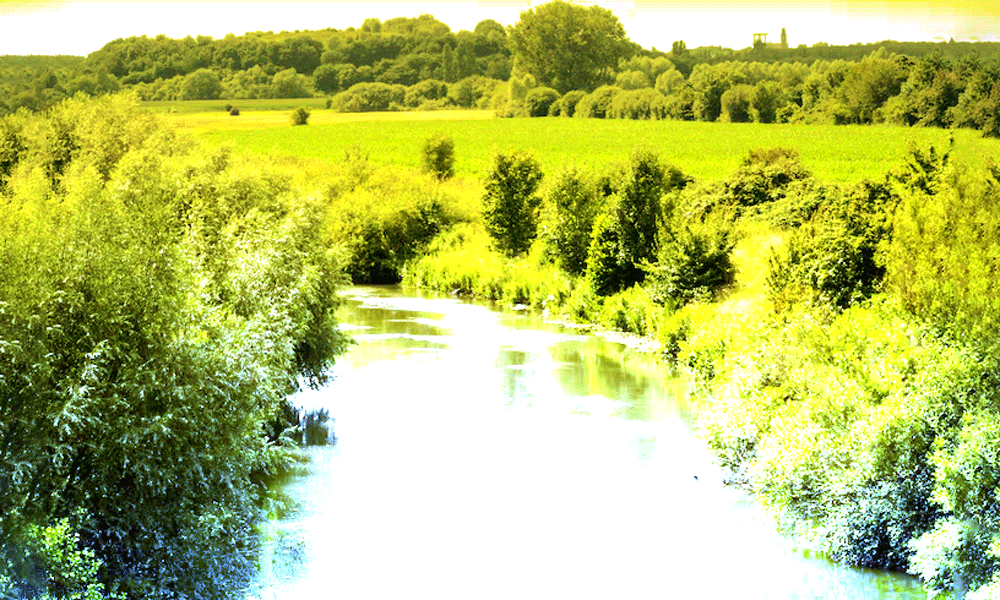
He, on closing days, went to walk along the river. It was a narrow, clear stream, whose willow banks rustled gently. The entire village knew these banks, but he lingered there more than the others, walking for a long time, alone, hands in pockets, his gaze fixed on the water that flowed endlessly.
Naked Tit
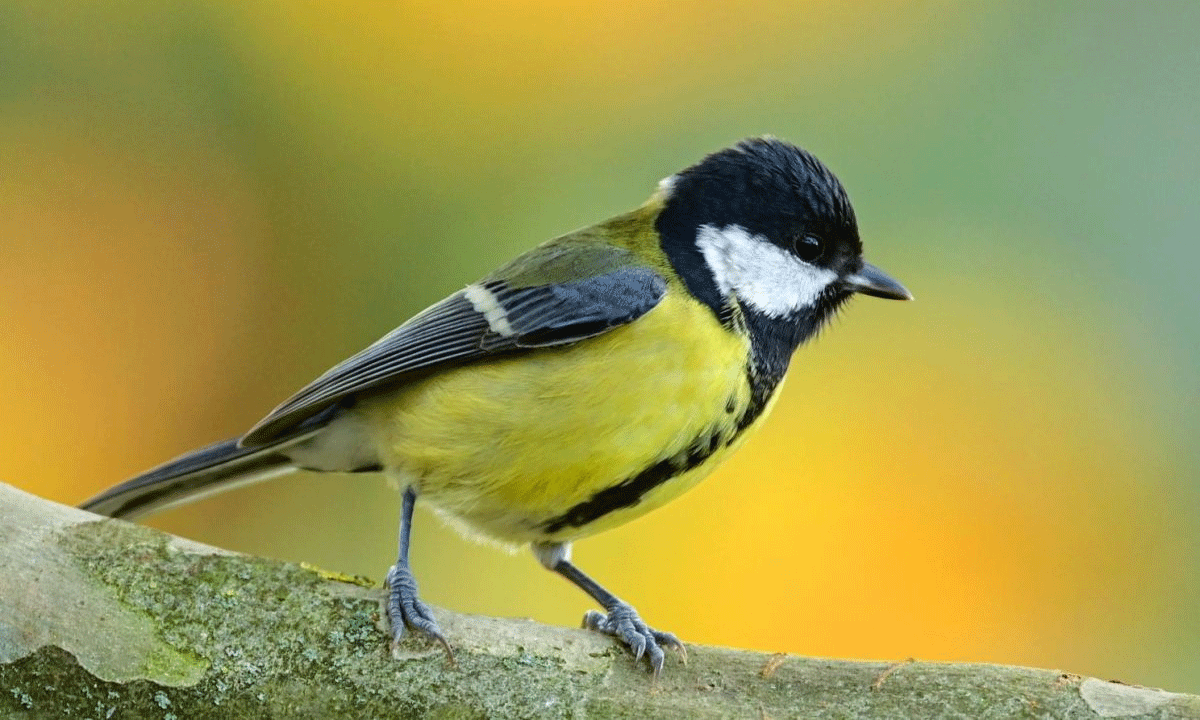
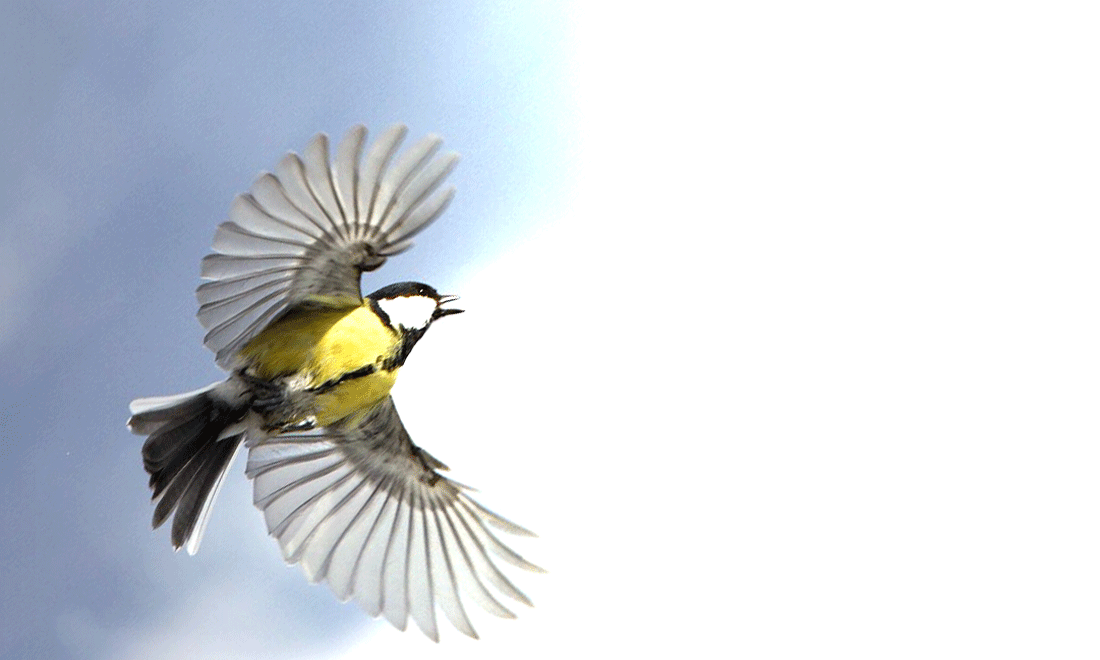
It is there that he saw her for the first time: a small tit, with black plumage on its head, agile like a living spark. The bird was not frightened. It seemed to follow him, jumping from one branch to another, as if he was repeating his steps.
He returned the following days. The bird was there again. Always. Never far, never fearful. And little by little, this presence became familiar. The baker was amused at first, as if by a charming coincidence. But a more serious thought arose in him, which he did not dare to formulate.
There is no such thing as chance. Everything that happens is wanted.
It was only one evening, in the kitchen, that he talked about it to his wife. She looked up. In his gaze passed a trembling glow, as if she had understood before he said a word more.
So, without explanation, they both knew. They hadn’t uttered the word. But it had imposed itself on them as an ancient evidence. The child. The one who hadn’t had time. The one whose memory remained closed between their two hearts, without sharing with the world. The lost child, the child too soon disappeared, took his place among them in the form of the bird.
Same Gestures
The pain, upon waking up, became softer. She divested herself of her bitterness to become a soothed memory. She spoke about the tit, her regular appearances, her strange fidelity. She listened, silent, with hands placed on the wooden table. In her eyes shone an emotion that she wasn’t trying to hide. As if she welcomed, through her husband’s words, the return of something she had never stopped waiting for.
The little titmouse returned, and again returned. She was seen in the garden, perched on the grate, and one morning she darted to hit the kitchen window with her beak. The noise was so clear, so deliberate, that they looked at each other, upset. It was no longer a bird, but a sign. A discreet visitation, that no one around them could have suspected. And the young bakers, without changing anything in their daily gestures, without ever confiding, now knew that true love has neither end nor borders.
From then on, their existence took a secret dimension. The gestures remained the same — knead, bake, smile at the morning customer—but behind the facade of flour and golden crust opened an invisible sanctuary. There reigned the mute certainty that the child, torn from the living too soon, had not disappeared. He had found passage.
The tit was this passage. With each beat of wings, a breach opened in the veil that separates the worlds. The bird hardly sang, but its mere presence said the essential: I am here. You are not alone. Love does not decay.
Between Worlds
They didn’t talk about it to anyone. One does not deliver these truths to the chatter of a village. And yet, everyone who entered their shop felt a particular peace, inexplicable, as if the bread they were giving carried a blessing from elsewhere.
The husband, by the river, came to stand still, not to dream, but to wait. And the waiting became prayer. When the tit appeared, he discovered himself, as in front of a herald. In his eyes, it was no longer just the child. It was the announcement of a larger kingdom, the discreet proof that eternity is not a fable, but a homeland that awaits us, provided we believe in it with the fervor of a wounded heart.
The titmouse did not become so familiar as to become a slave of their glances. It came, yes, but according to a rule that was not theirs. Sometimes faithful, almost expected, placed in the garden at dawn like a night light. Sometimes stealthily, a black and white flash that disappeared immediately between the branches, leaving in the air a disturbance more than a certainty.
And then there were days without her. Long days of silence, where the kitchen window remained mute, where the river only offered its empty current. Then a doubt crossed the husband: had he not dreamed? Had they not both abused each other by giving a bird the thickness of a soul? But at the same moment, in his wife’s heart, certainty remained intact. She knew that absence was not an effacement, but another way of presence.
It also happened that the bird was there, indifferent. Perched on a branch, without a look for them, busy with its petty tit business. And this indifference troubled them more than absence, for it reminded them of the unbridgeable distance of the worlds.
Double Life
But always, after doubt, grace returned. A flutter of wings against the window. A brief song at dusk. A sudden appearance, posed one meter from them, motionless, as if to say: I never stopped being there.
To doubt everything or to believe all, are two equally convenient solutions, that both prevent from thinking.
Thus is established the visitation: capricious, elusive, but strong enough to seal in them the conviction of a bond that would no longer break. They learned to love these comings and leaks, as one loves the tides, whose ebb and flow are part of the same mystery.
Little by little, the house of bakers transformed without anyone knowing it. Nothing changed in appearance: the blue shutters, the pots of geraniums in the window, the smell of leaven that rose every morning. But behind these ordinary walls, a new gravity reigned.
Each return of the bird, each absence even, installed in their home an invisible presence. The slightest domestic gesture was invested with a sacred weight. She, while kneading the dough, felt that it was shaping more than just bread: it was an offering. He, by turning on the oven, thought to rekindle a fire that held both the kitchen and the altar.
The shop, every morning, opened on this double life. The customers entered, took their bread, exchanged a few words, and left. None knew what was going on in this simple place. But many said upon leaving: “Here, we feel good.” They didn’t know why.
They did nothing for that. They did not confide, did not try to convince. But their silence was inhabited, and their work bore the trace of this mystery. The house and the bakery were no longer just a place of sustenance: it was a discreet sanctuary, where the love of the living and the love of the dead came together in the same breath.
The past time is gone and the future is not / And the present languishes between life and death / In short, death and life are at all times similar.
 The chickadee and the bakery
Temple
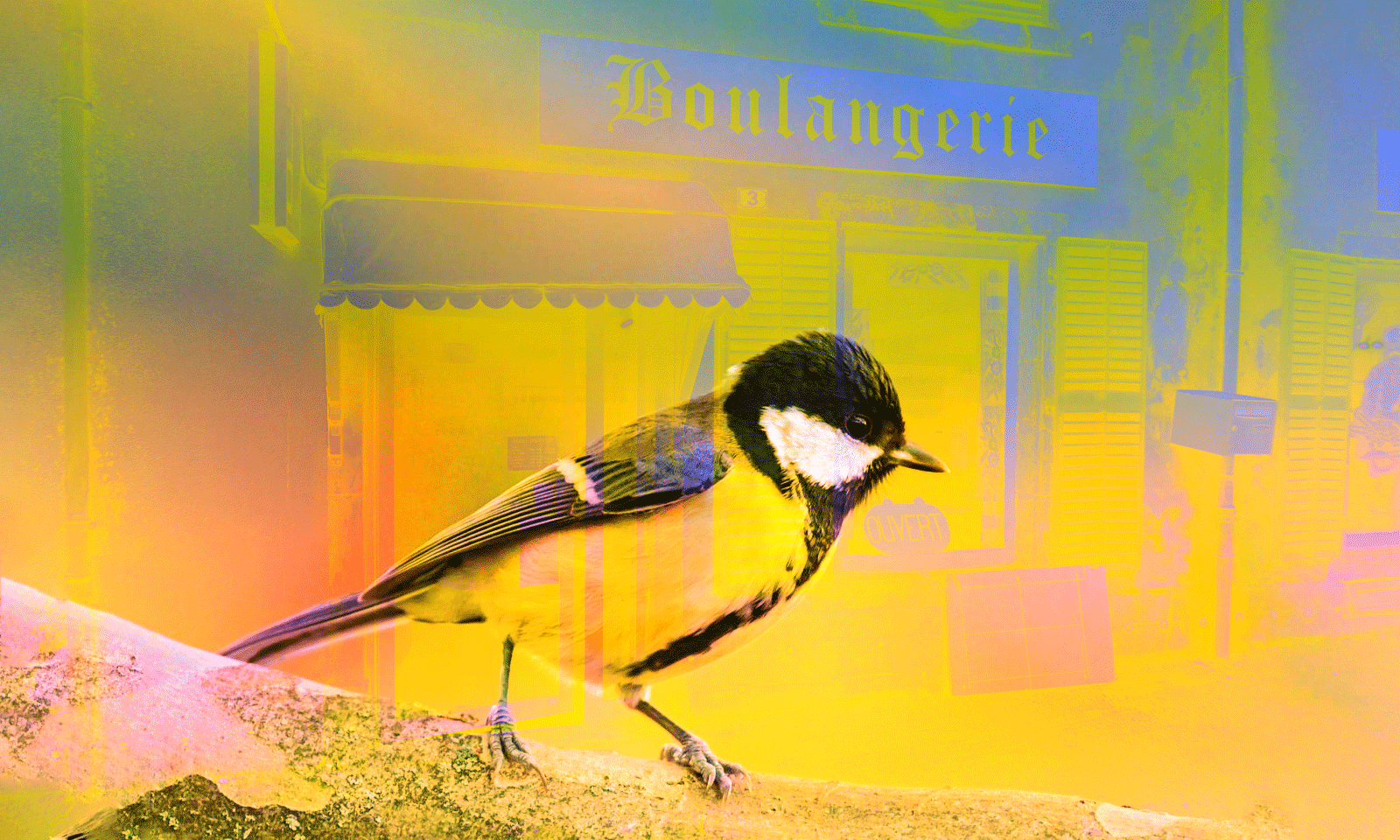
And the tit, faithful or capricious, became the unpredictable officiant of this temple.
The village saw nothing but an increased sweetness in their looks, a more attentive kindness when they reached for the warm bread, a smile that seemed deeper. Their kindness and simplicity were praised, and that was enough. No one guessed what was being accomplished in the secrecy of their house.
Because it was between them alone that everything played out. Between their silences, their gestures, their shared glances, now stretched an invisible space that no third party could have crossed. The bird had breached it. And through this breach, the missing child had returned, but even more: with him, a new certainty, an intimate faith in the existence of unsuspected worlds, so close that they were verging on their daily life.
They were no longer afraid of death. Not that they wished for it, but it had lost its power of dread. For beyond the separation, they foresaw a kingdom of forgiveness and love, a home that awaited them as long-gone travelers are expected.
And this conviction, far from cutting them off from the present, brought them even closer. Their union tightened, more dense, more tender, as if their two souls had agreed on a common horizon. Every word they exchanged, every smile, now bore the gravity of an oath.
Thus they lived, surrounded by simple gestures, kneading the bread, opening their shop, standing side by side in the evening. But their true home was no longer in the little house of the village: it stretched out into those worlds invisible but so present, where the absent remain alive, and where expectation changes into promise.
Light
The tit always came at her unpredictable hour, and sometimes did not. They had learned to love her whim. But one winter evening, as the cold gripped the valley, a greater sign was granted to them.
That night, they had the same dream. Without telling each other first, everyone had kept it as a secret too hot when waking up. But in the morning, at the table, their eyes met. Then they spoke, and the words confirmed the evidence: they had seen the same thing.
In the dream, the bird had flown before them, not to the garden or on the river, but in a light without place. Its plumage, black and white, had changed into moving clarity, like a soul lamp. And behind him, barely visible but certain, a child was waiting for them. Neither big nor small, out of time, but their child.
He did not cry, he did not laugh. He was there, and that was enough. In his gaze was a peace that no land can offer. The bird flapped its wings as if to open the way. Then everything had disappeared.
They had woken up together, troubled, with a heart that was tight but light, as if freed from a weight. And because this dream was common, that it had imposed itself on both of them in the same night, they did not doubt. It was not an illusion. It was a piece of evidence.
Passage
From then on, death was no longer an abyss, but a passage. The child had not been taken away from them: he waited for them. The tit, a modest messenger, was no longer just a tender presence: it was the embassy of an invisible kingdom, the pledge of an eternity.
They continued to live, to work, to smile at the villagers. But in their silence a new force arose. And when, in the evening, they found themselves alone in their house, they knew that they were not alone.
Their story was never told. It was never written. But in the secret of their days, they had touched the disembodied evidence that awaits the living: that nothing is extinguished, that love passes through death, and that, in the invisible, everything is gathered.
Thus, in this small French town, around the corner of a bakery and a clear river, one of the oldest truths in the world was celebrated in silence: that death does not have the last word, and that those who love cross without knowing it the borders of the living.
And the couple, always worthy, continued their earthly work, knowing that already their promised reunion was being written beyond time.
For the mother and child reunion is only a moment away.

Alain Aillet Sayings
- The Chickadee
- Aurora Into Resonance
- Birds Memory
- Harvey the Elder
- The Garden of Facts
 The Hardware Fault 2
- Shadows Hardware 1
- Message in a Bitter
- The Distorted I
- Star Traveler
- The Purple Ribbon
- Immortals Café
- Aurochs Ford 2
- Aurochs Ford 1
- Pech Merle
- The Sons of Light
- Eternally
- Planet E
- From Tautavel To Bozouls
- Odious Odin, Frightening Freya
- Teutonic, Archetypal Language
- Planet Babel
- Sounds And Languages
- The Golden Tongue