


There are places where the wind no longer blows, not because it refuses to do so, but because it remembers. Up there, in the still chaos of the Pyrenees, the peaks are not mountains but mausoleums. They keep the echo of a name, that of a woman, a cry, a farewell. Pyrene.
She Loved
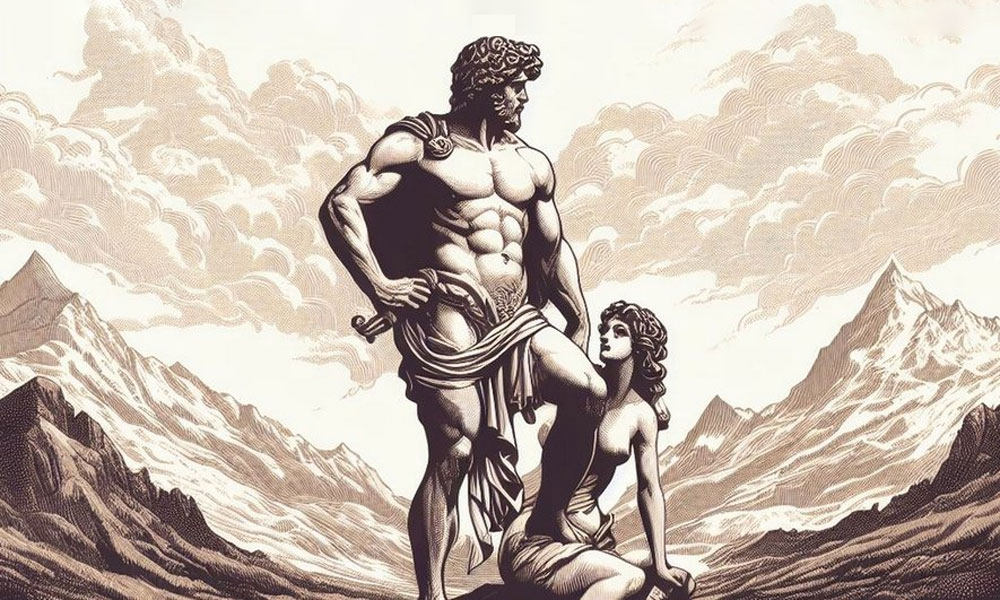
They say — the shepherds with their husky voices, the storytellers with their gnarled fingers, the stones themselves in their stubborn silence—that she loved Hercules. Not really the roaring demigod, but the wandering man, weary of his own exploits, come to seek refuge far from the golden light of the pantheons. A Hercules tired of his legend.
Pyrène was the daughter of the mists. Its beauty was not that of the Greek cities, polished by marble and speech, but that, wild and noble, of a world anterior to history. A beauty without witness, offered to forests and springs. When Hercules met her, he understood that he was no longer a hero, but a man. And this was his last weakness.
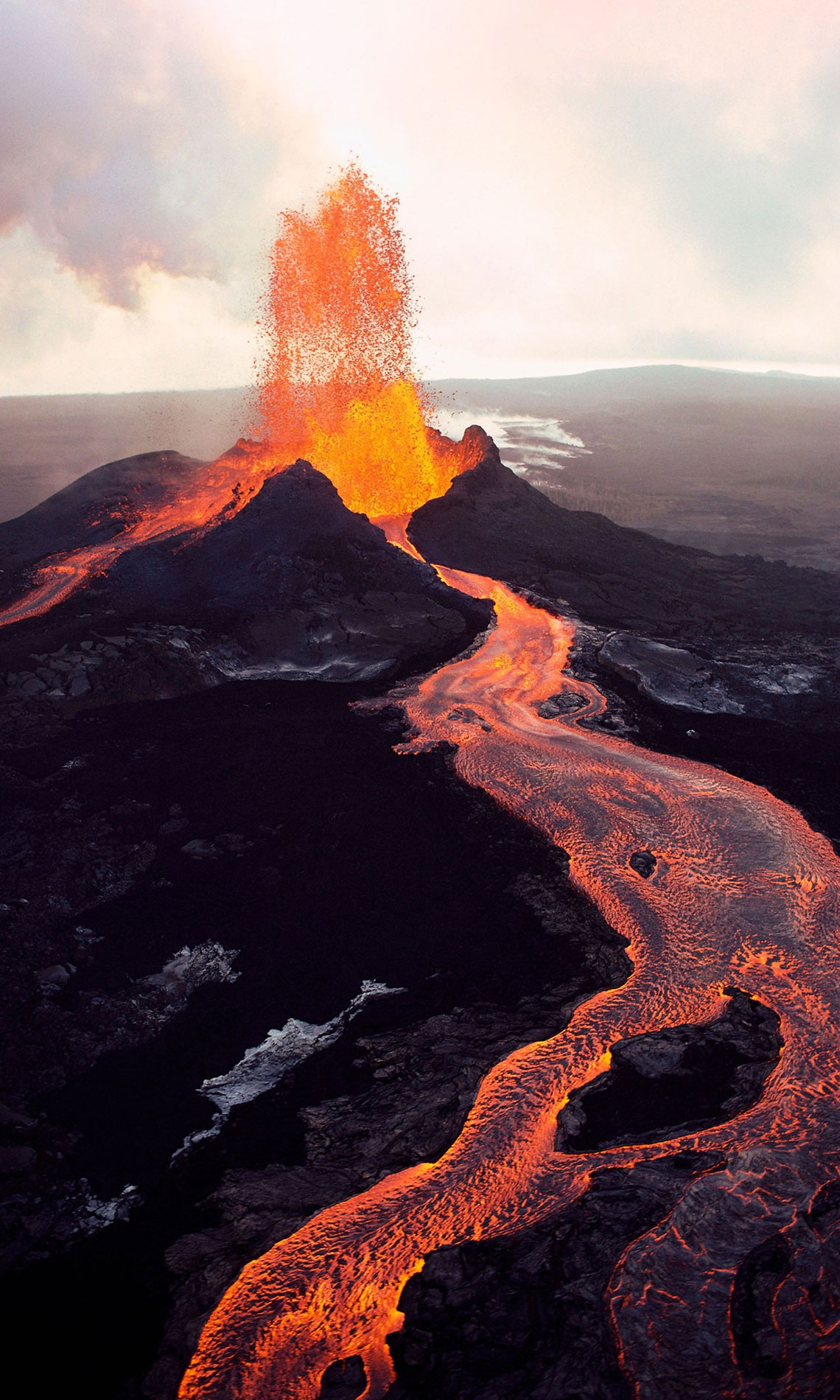
 But the gods do not forget. The gods do not like us to escape tragedy. One stormy evening, the mountain trembled. An ancient fire sprang from the bowels of the world—the Pyrene Forges, it was said — and in this blaze, the young woman was consumed. No one knew if it was offered there or if she threw herself into it, tired of waiting for the return of Hercules, left to fight other chimeras.
Then the giant returned. Too late. The ashes had mingled with the stone. In a gesture that no one saw, he raised a tomb, piling the blocks up to the sky. And men called this place Pyrenees. Not to celebrate life, but to remember loss.
Even today, when at dawn the mists linger on the ridges, one believes to distinguish a silhouette that watches. It’s not a mountain, the elders say. She is a petrified lover. And the ironworks still burn under the rock, for love, among the gods, never dies: it turns into a punishment.
High Ash Canticle
Indeed, there was a time — one of those ages buried under the dust of cosmogonies—where the gods still treaded the crests of the world, and where the mountains were not the result of geological chance, but the tombs of titanic love. It was indeed at that time that Pyrène was born, the last child of a people older than Rome, more secret than Atlantis.
She was a daughter of the first sources, born between the roar of torrents and the dru silence of millenary fir trees. The whole world seemed then suspended to the rhythm of her walk, and even the wild beasts, usually quick with blood, lowered their eyes in front of her. His people, a race of men with frank eyes, considered it sacred. And no one dared to speak of love before Pyrène, for fear that the sky would interfere.
 But the Sky Interfered
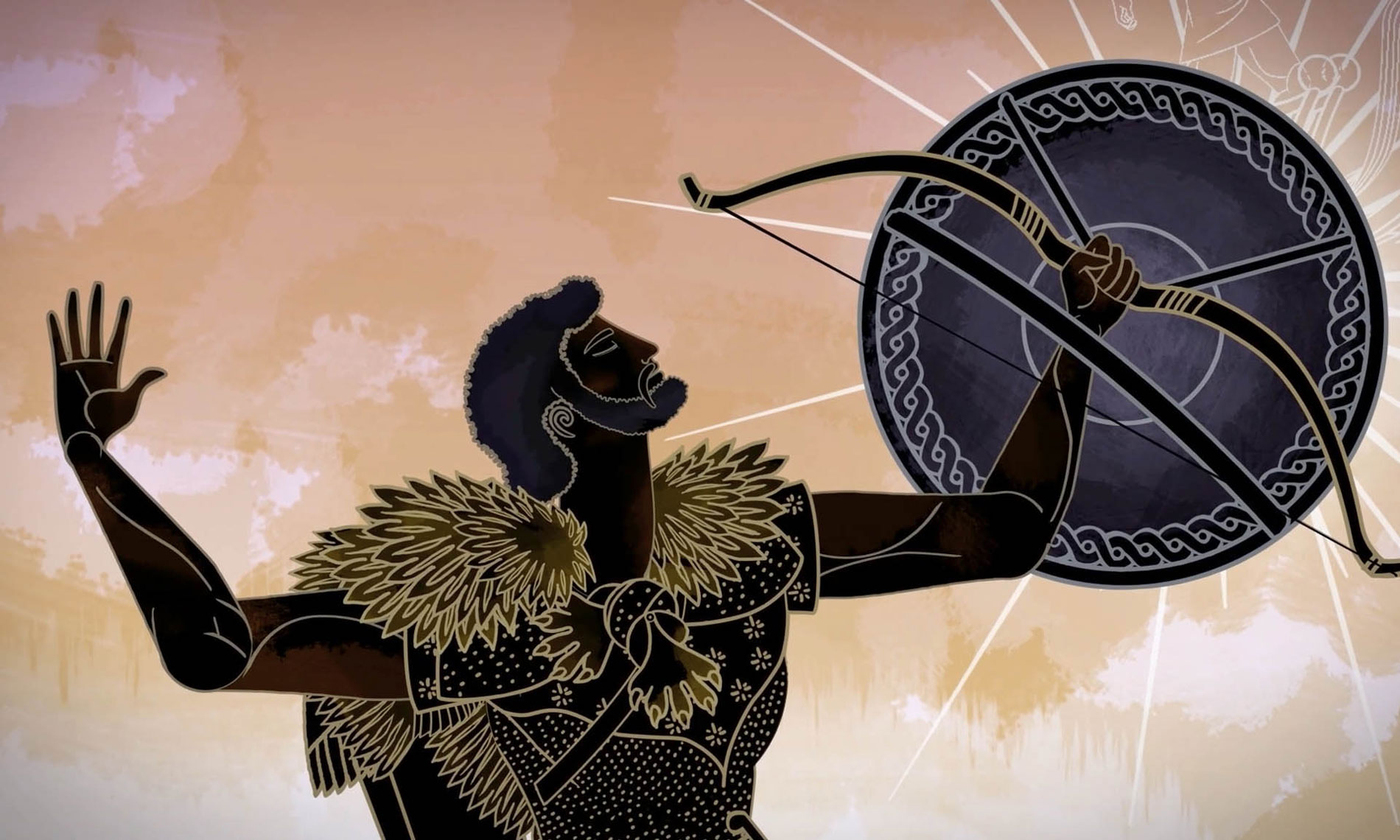
Because here comes, from the columns of Hercules, the Myth-Man: Heracles. Not the hero yet, but the giant tired of victories, fleeing his own exploits like a criminal flees fire. He crossed the barbarian lands, cut through the rivers, tame the beasts. He sought oblivion. He found Pyrene. She alone did not fear him. And he, in the shadow of this mountain virgin, finally knew humility. A love was woven, made of silent confessions, clear looks in the moonless nights, gestures stolen from eternity. It was a love worthy of legends: that of a fallen god and a wild priestess.
But Olympus does not tolerate forgetfulness. The gods, driven mad by the jealousy of men, blew a wind of fire on the earth. From the bowels of the world sprang the Forges: titanic caves, beaten by a black fire, where volcanoes struck the anvil of destiny. There, in the night of stones, Pyrene was abducted. The mountains closed on his cry.
When Heracles returned, he howled. A howl that even Tartarus heard. So he did what no god had ever done. From his bruised arms, he lifted the rock. He built a tomb, not a tomb for a queen, but for an idea—that of a love greater than pantheons. Each peak, each cliff, each abyss was a stele. And when he had finished, he disappeared, leaving the world a last prodigy: a chain of mountains drawn up towards the absolute.
Since then, they have been called the Pyrenees.
But this name is only a vestige, a forgotten syllable of the funeral song. Because in the belly of the mountain, the ironworks are still beating. No one has ever known if it was the anger of Héraklès or the heart of Pyrène that echoed under the stone. Maybe both.
For any legend is a wound that the world has never closed.
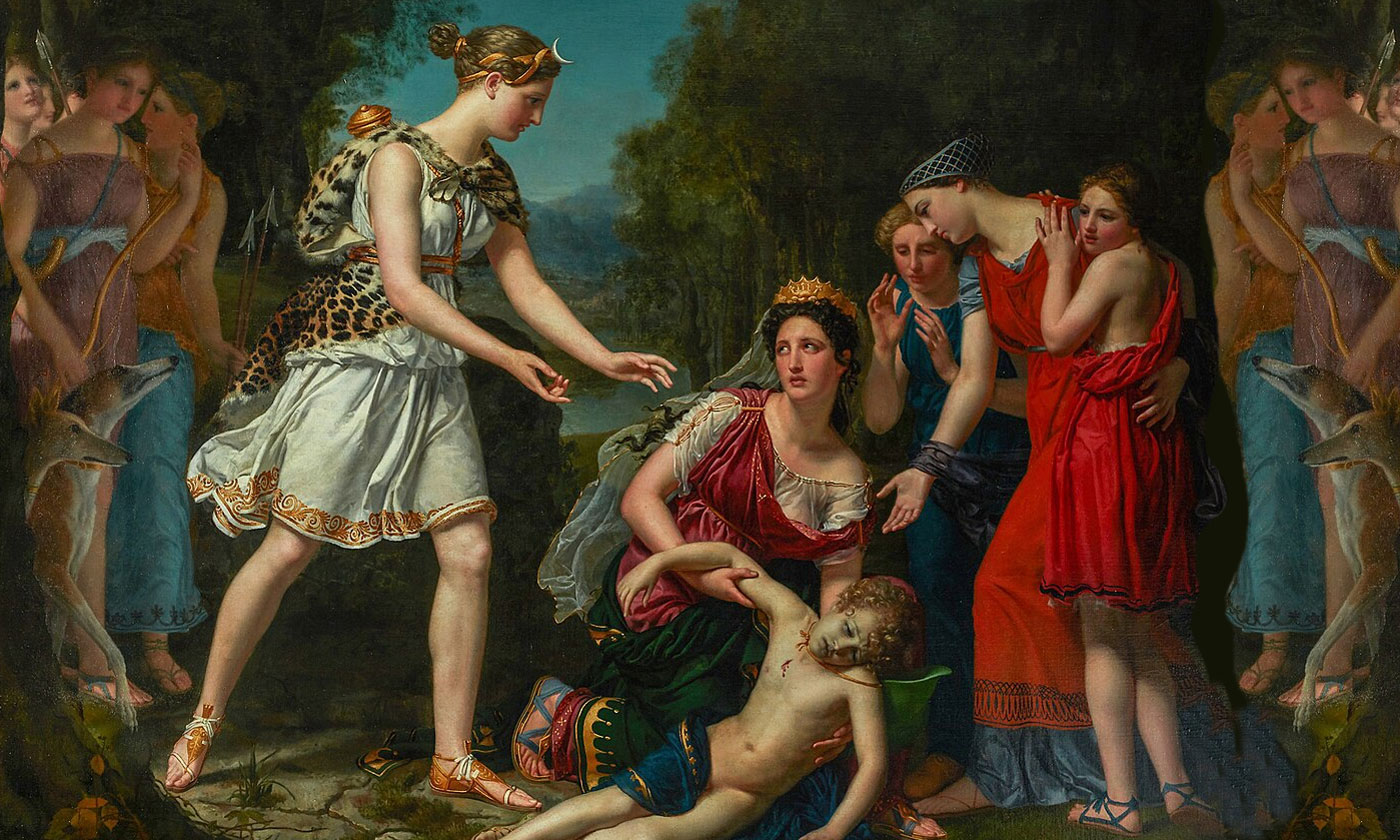 Sophie Rude painted another version where Pyrene is Pirene, in love with Neptune. Here she cries her dead son.
The Awakening of the Mute Mountains
It is said that Heracles, when he disappeared, returned neither to the east, nor to the temples, nor to the oracles of Delphi or Dodoni. He took the road to the north, the one that geographers refuse to trace, the road of blafard forests, winds that speak in a low voice, nameless peoples who speak to the stars, the road to Hyperborea. He wandered, yes, but not as a man—as a wounded god, rejected by his own.
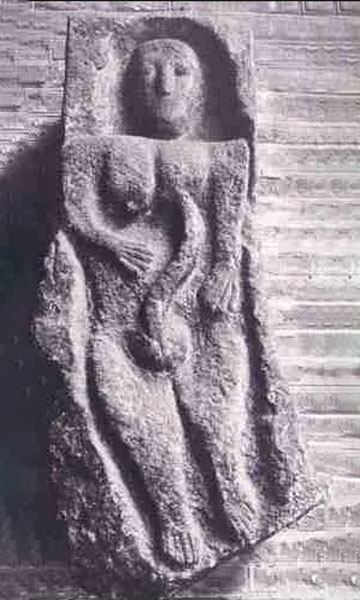
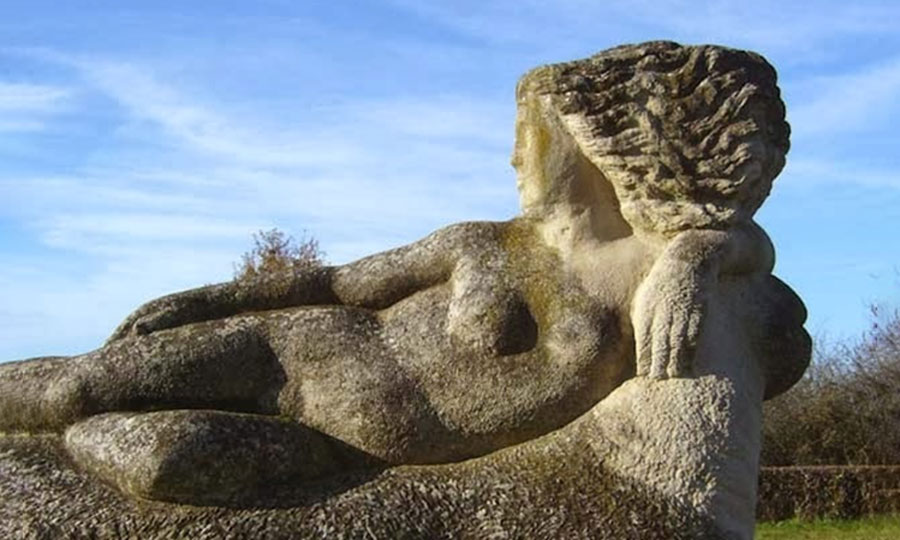
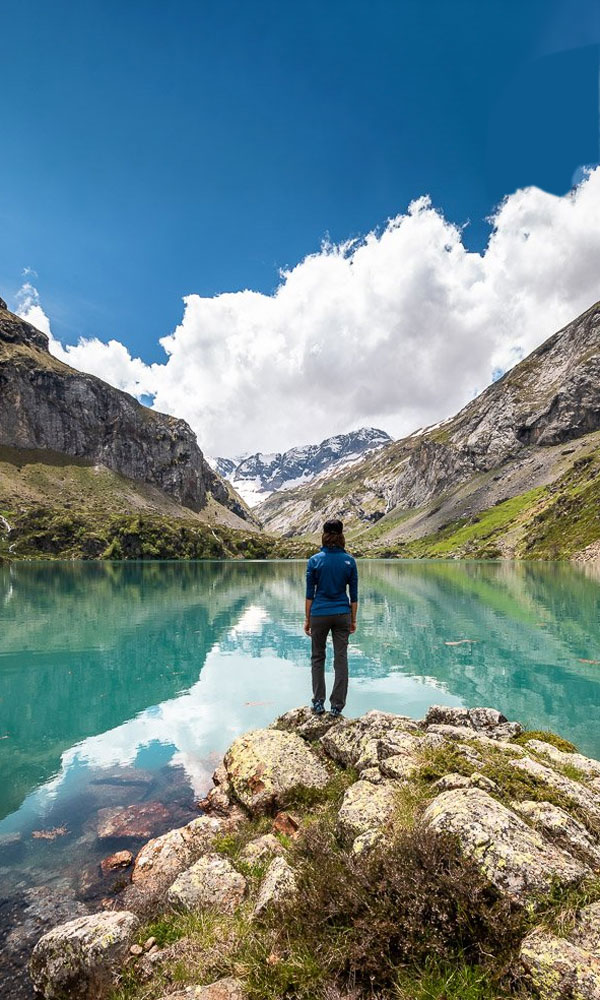 Meanwhile, the Forges continued to beat. The elders, the real ones, those who do not write history but whisper it in the caves where the torches no longer go, say that Pyrene’s body has never been found. Because she is not dead: she has metamorphosed. She became the mountain. Not just any mountain, certainly not! It became the entire chain.
Her hair is the dark forests of the Val d’Aran.
Her ribs, the edges of the Canigou.
Her belly, the fiery chasms of Gavarnie.
Her heart, an incandescent forge, beaten by the exiled cyclops of Hephaestus himself.
And there, in the depths, creatures watch. Worse than the monsters of ancient times. Children of the forgotten Titans, born of Gaia’s blood, shaped in metal and sorrow. They are still forging, no longer weapons, but memories: they beat the past, strike lost love on granite anvils. They do not speak, they dream. And their dreams rise slowly, like lava, towards the world of men. But men have forgotten.
They build ski resorts, roads, tunnels. They carve their names on the sacred flanks of Pyrene like vandals on royal tombs. They don’t know that they walk on a body. Let them pierce a heart. And sometimes, when a block comes loose, when an entire section of mountain collapses for no reason, it’s not erosion, it’s Pyrene who moans.
But there will come a time—prophesied in the dreams of certain beasts, kept in the bones of dead king eagles — when the Forges will awaken completely. Where the fire will resume. Then, the chain will straighten up. It will no longer be a tomb, but a throne.
And on this throne of stone and ash, will stand Pyrene — great, terrible, beautiful as the dawn of creation. By his side, no one knows if it will be Heracles… or another. Perhaps a king from a people yet to be born, capable of loving as one defies the gods. On that day, the mountains will no longer be mute, they will speak, and their voice will be that of the ancient world, the one we have betrayed.
The White Apocalypse
And here comes the last day.
Not that of the Hollywood cataclysms, nor of the horsemen howling at the trumpets of bazaar, but that, vaster, more noble, more silent, of a return. The day when the mountains will open like books closed for too long. The day when a rumble, not of destruction, but of truth, will be heard from the shores of the sea to the most secret passes.
Because the apocalypse is not the end. It is the unmasking, the lifting of the veil, the rediscovery of a world that we have denied. Then the Pyrene Forges will reopen. Not in a deathcrash, but in an incandescent light, white as molten metal, white as the purity we had forgotten. Legions will come out of the entrails of the chain — not armies, but presences. The ancient gods. The ancient men. The memories.
And the cities will not collapse under the bombs, but under the weight of the meaning regained. The glass towers, the screens, the hollow words, all this will give way before the naked and wild beauty of Pyrène returned. The rivers will change course to greet her. The eagles will come back to die at her feet.
She will not speak, she will be. Her gaze will be enough for men to remember what they were. So that the last ones who have kept the flame fall to their knees, without fear, but with joy. For there is no worse exile than forgetting, and no greater return than that of lost identity.
And in this apocalypse, there will be neither judgment nor forgiveness. Only a sorting: between those who remember… and those who will fade away, like poorly written shadows. For the good news is this: the ancient world was not dead. He waited, in the womb of the mountains, in the forge of the heart, in the name—Pyrene — that was no longer pronounced except in the wind.
And when everything has burned, everything will be purified. Then, perhaps, a new line will be born. A lineage of light-eyed giants, walking barefoot in melted snow, talking with rivers, sculpting the gods no longer in marble, but in silence.
And it will be said about them: they were born of fire and love. They are the children of the mountains.
Alain Aillet Sayings
- The Legend of Pyrene
- The Leather Notebook
- Stables Treshold
- Aide-memoire
- Song of Roots
- The Chickadee
- Aurora Into Resonance
- Harvey the Elder
- The Garden of Facts
- The Hardware Fault 2
- Shadows Hardware 1
- Message in a Bitter
- The Distorted I
- Planet E
- From Tautavel To Bozouls
- Star Traveler
- Odious Odin, Frightening Freya
- The Purple Ribbon
- Immortals Café
- Teutonic, Archetypal Language
- Aurochs Ford 2
- Aurochs Ford 1
- Planet Babel
- The Golden Tongue
- The Sons of Light
- Eternally
- Sounds And Languages