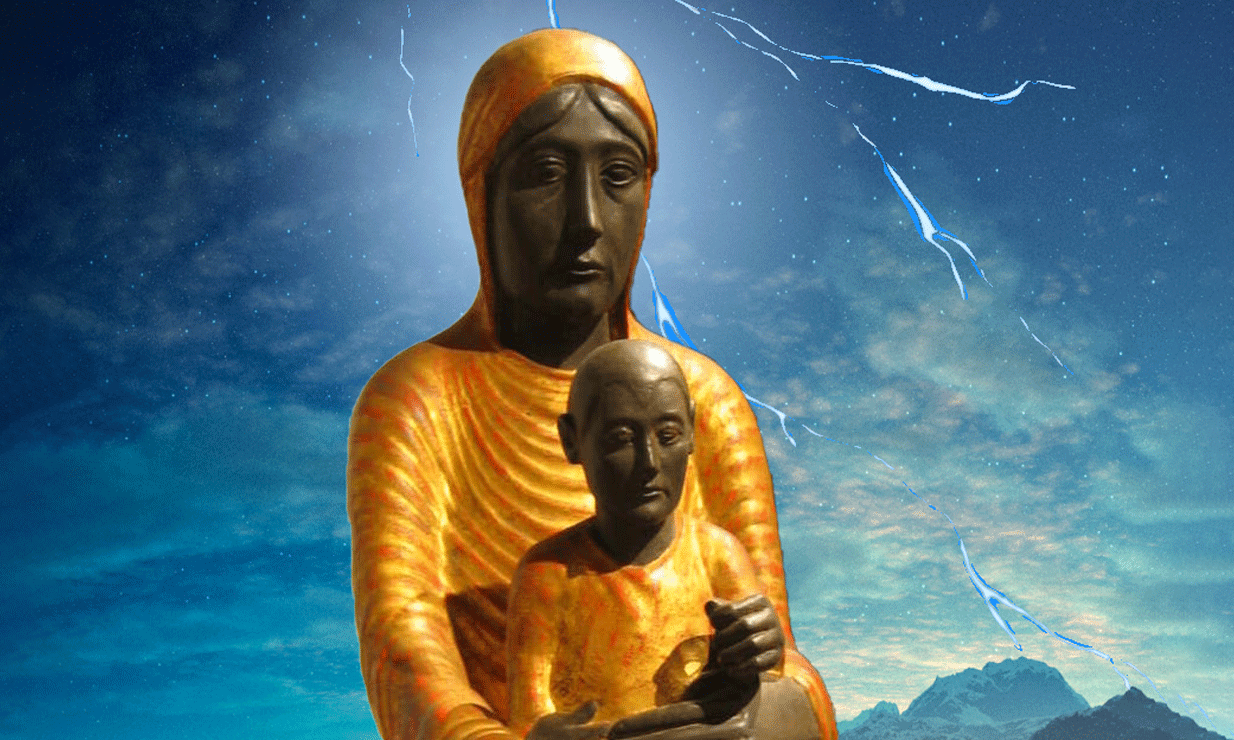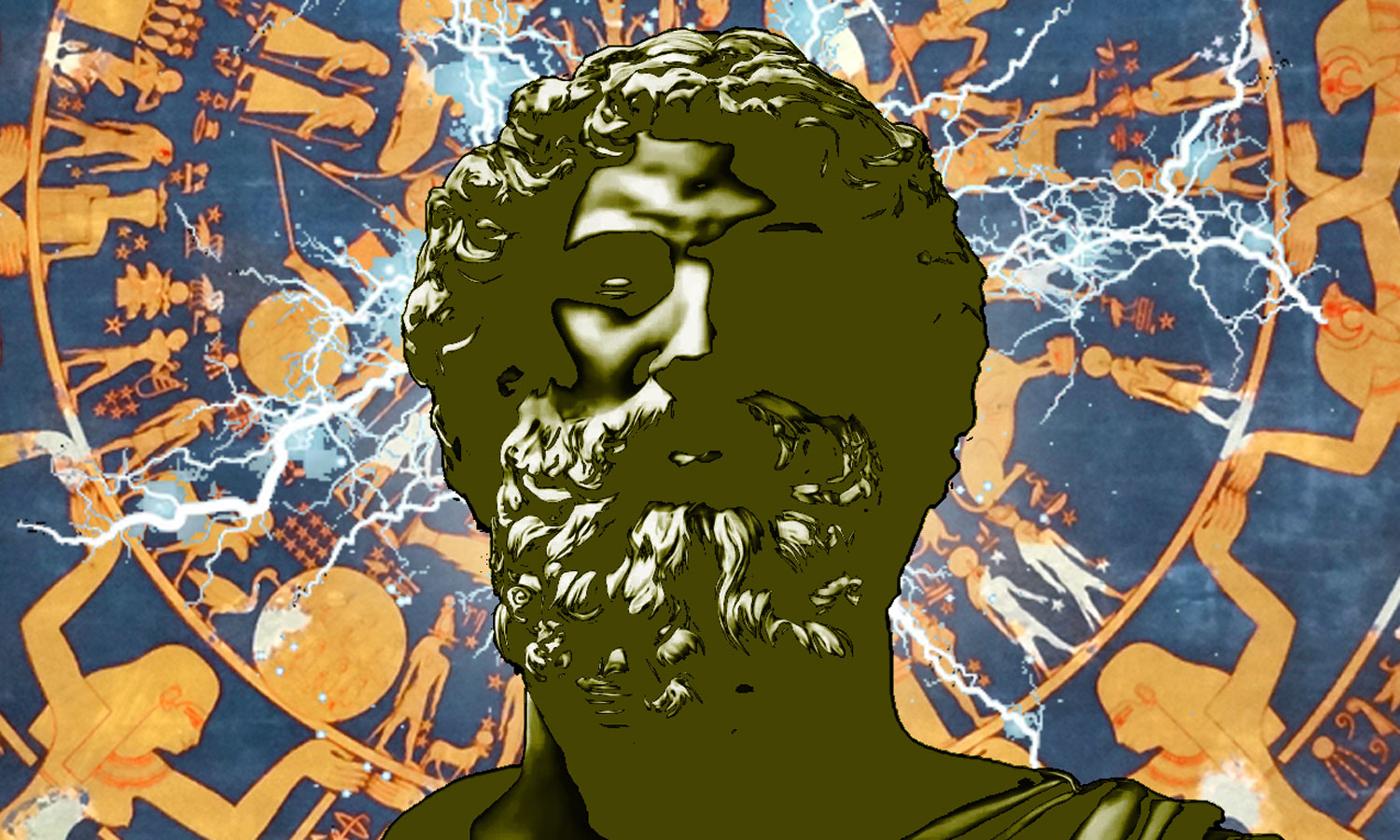
Yes, the Blacks have been our masters for thousands of years. I have long wondered why the gods of Greco-Roman antiquity all had curly hair. The answer appeared to me recently: this is how sculptors interpreted frizzy hair. One must face the obvious, all the former gods belonged to the black people.
Burnt Faces
Written in the second half of the fifth century BC, Herodotus’ Inquiry (5th century AD) is an exceptional testimony to the curiosity of the Greeks for other peoples and to understand political problems, Persian power and its threats, but especially the approach to human and cultural diversity. I will constantly refer to it in the following lines.
What should be understood by Blacks, in the sense of the Greeks and the Latins? We know that some Blacks have straight hair, in southern India for example. The Greeks, in general, used the word Aethiops, burnt face, to designate the Black — or a neighboring word from the same root. It is thus that, in his description of the army of Xerxes, Herodotus uses Aithiopes, plural, to designate the Afro-African Wollotriches “crinkly hair”, who were in the same troop corps as the Arabs, and the Afro-Asian Ithytriches, “with straight hair”, who were with the Indians.
Black First
Black people were the first inhabitants of this planet. Since the origin, several billion years ago, reptilian giants had black skin — the current reptiles have few blacks, as the Black Mamba… Not particularly cool, by the way. The black peoples of antiquity have the generic name of Ethiopians. The Ethiopian term (Greek, Aithiops) literally means ‘burnt face‘.
In the highest antiquity, these peoples were considered with respect, because all recognize in them the ancestors of this humanity. This counter-statement to the current image of ‘burned faces’ is important enough for me to stop by, as it alone can substantiate my entire thesis, contained in the present part, Black Saga.see further
The Blacks in Rome
Some authors have presented us with Aesope, the fabulist, not precisely as an African—he was a Phrygian—, but as a Black. And, I must admit, the thesis is all the more seductive because its fables have the flavor of black fables and that, as Alain Bourgeois writes, its Greek name, Aisôpos, could derive from Aithiops-Aithiopos.– the Ethiopian.
According to the various testimonies, it seems that the percentage of Blacks in Rome was much larger than it is today in Paris. Which is, all the same, important. And they practiced trades or professions of great diversity. They were wrestlers, boxers, actors, students, pedagogues, even writers, shamans, members of oriental or exotic religions.
The Rumis
The Punic wars had resulted in the conquest and then the romanization, both long and difficult, of North-West Africa, which became the Maghreb. Which explains why the Western European, the Rumi, that is to say the ‘Roman’, remained, for centuries, the Antagonist.
The peoples of Libya and Egypt are the most prosperous; men and animals (as well as agricultural productions) are distinguished by their size and beauty, but also by their indolence, unlike the more northern regions. (Hippocrates — Airs, Waters, Places)
“Interbreeding, an important element of the Greek miracle, had to be done in priority with the black woman, who brings all the beauty, grace, intuitive finesse of femininity” supports Prof. Martiny at the Dakar conference in 1976 on the ancient Mediterranean world.
Black and Beautiful
Hence the reciprocal attraction of opposites whenever two races, two ethnicities, two peoples are in contact. Let it be remembered only of the Kushite woman, that is to say black, of Moses, of the queen of Sheba, saying to the daughters of Jerusalem: “I am black, and I am beautiful,” which is the word-by-word translation of the text. But our racist era saw fit to make a paradox of this ancient evidence, and the sentence became “I am black, and yet beautiful”.
Even today, in Egypt, the seductress is Yasmarouni, the dark-skinned Nubian. Conversely, in black Africa, the seductress is Mami Wata (for Mamy Water), the goddess of water, whom the popular art of Senegal presents to us as a tall woman, with fair skin, with long hair, like a mixed-race.
Black Isis
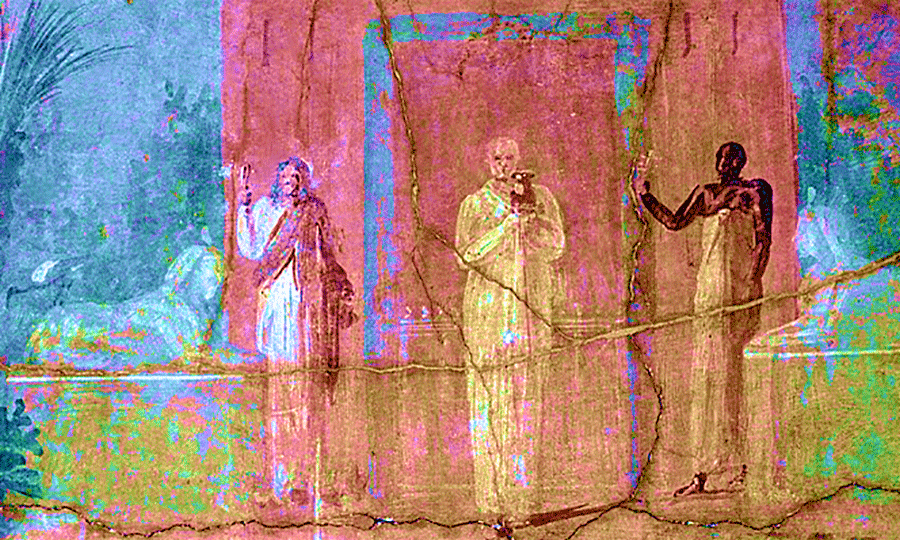
Two frescoes from the National Museum of Naples depict isiac ceremonies. One recognizes the Blacks, writes Snowden, with “the brilliance of their long white tunic, underlined by the black skin of the bare torsos”, but also with the important role they seem to play there. One sees, in the two frescoes, among other roles, here a flute player and there a dancer. But it is known, as Leclant notes, that “worship was often established by authentic Egyptian priests“, that is to say black ones, I add.
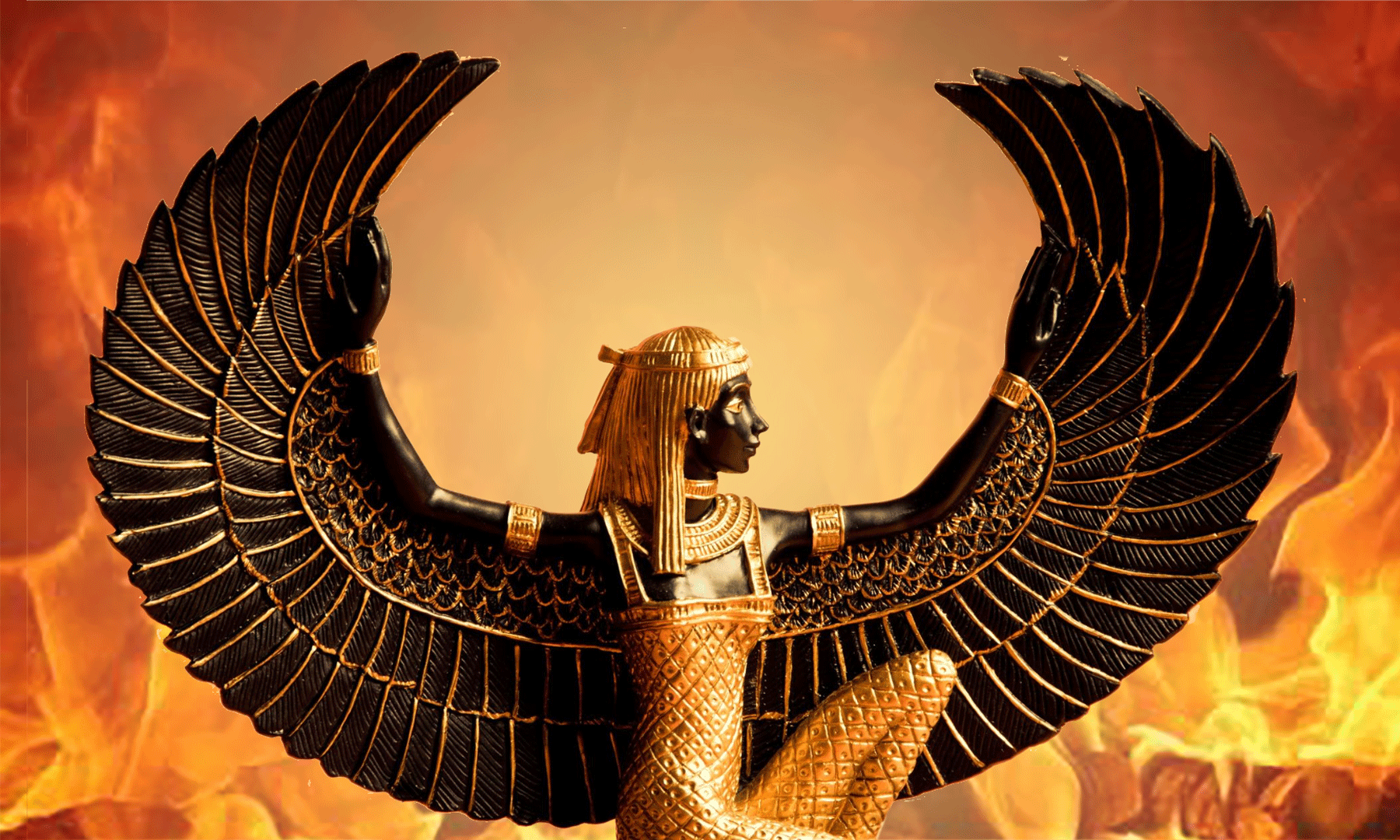
Why then are these Blacks in the ceremonies of the worship of Isis? My first answer is that Isis herself is often represented as a black woman, like Egypt or Africa for that matter. Leclant, pointing out “several Roman statues of Isis in black stone”, presents us with the statue of Isis from the Gregorian Museum coming from Villa Adriana. Going further, I would say that, like civilization itself, the Egyptian religion came from Ethiopia, that is to say, from Nubia.
Diodorus of Sicily
In his Library (III, 2), Diodorus spares no praise for the Ethiopians and presents them as the oldest people on Earth, the first human beings to be born from the ground, due to the greater heat of their region of origin, and from then on also the first to have honored the gods and then to have transmitted their religious knowledge to other populations; in this, they constitute the most pious people, the most loved by the gods, and have always preserved their independence.
The Ethiopians are a population appreciated by the gods for their piety, and described in a particularly rewarding way in many texts as remarkable for their physical qualities, beauty, longevity, or even the natural scent that emanates from their body. (cf. Iliad I, 423-4; XXIII, 205-207; Odyssey, I, 22-26; Aeschylus, Prometheus in chains, 808-810, Diodorus, Library, III, 2, 1; Pliny the Elder, Natural history, II, 80, 189; VI, 22, 70…). (source)
Indeed, Diodorus of Sicily, who inquired with the priests and other Nubian informants, had a precise opinion on the origin of the ancient Egyptians. According to him: “The Egyptians are only an Ethiopian colony led by Osiris.” And again: “The kings honored as gods, the care taken at funerals of the dead, and many other rites are Ethiopian institutions.” Finally “the meaning attached to the carved images and the type of the Egyptian letters would also be borrowed from the Ethiopians.”
Zeus the Black
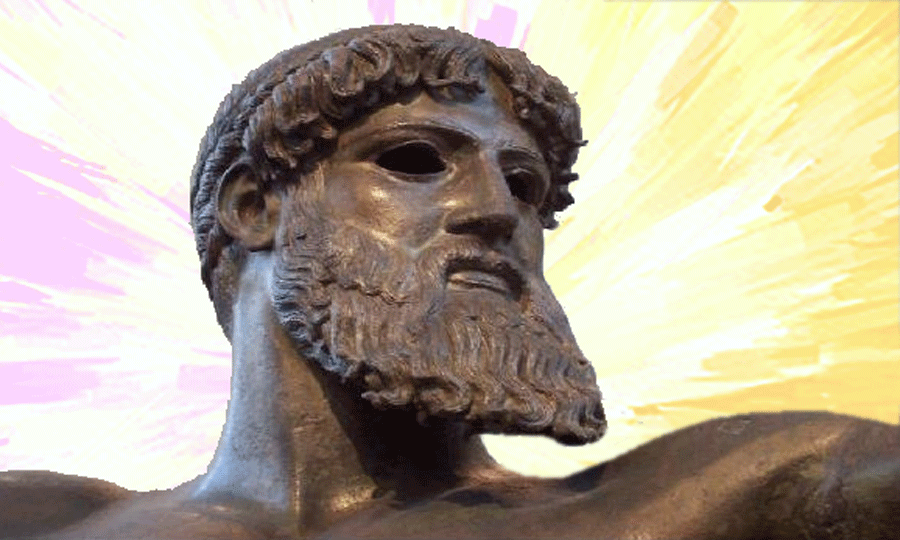
The gods themselves are negroid. In a fragment of a tragedy by Sophocles, Inarrivos, it is a black-skinned Zeus who seduces Io, daughter of the Argive king Inarrivos, and gives birth within the framework of this union to Epaphos (whom Prometheus in chains, at v.851, describes as kelainos — “black, dark”), ancestor of populations living in Egypt and Libya; among these latter, of course, there are the Danaides, heroines who while claiming a Greek origin are presented as having black skin in the Suppliants of Aeschylus (v. 154-155; 279-281). Note also that according to a late source, the Father of the gods could also be honored in Chios under the name of Zeus Aithiops.Ethiopian, ie the black one (Lycophron, Alexandra, 537). (source)
Diodorus is capable of going even further, and his statements, however surprising they may seem to us, seem to reflect exactly the general opinion of his time. The priests say that the Ethiopians were the first to learn to honor the gods and to organize sacrifices, feasts, processions, and other rites by which men honor the divinity; and that consequently their piety was proclaimed everywhere among men, and it is generally accepted that the sacrifices prepared by the Ethiopians are the most pleasing to the gods.
Homer agrees
“As proof, they call upon the testimony of the poet Homer who is perhaps the most revered among the Greeks, because in the Iliad he represents Zeus and the rest of the absent gods, visiting Ethiopia to share the sacrifices and banquet that were given each year, by the Ethiopians to all the gods gathered.” (source)https://www.revuedesdeuxmondes.fr/wp-content/uploads/2016/11/67f69255cf8d9aaa619f5d327eb0f4a0.pdf
Thus, according to Diodorus and other Greek writers including Homer, Hesiod, Herodotus and Heliodorus, we recognized the Ethiopians, the Blacks, inventors of religion, art and writing. In Greek mythology, which the Romans largely inherited, one meets gods and black heroes: Delphos, Andromeda, Cepheus, Perseus, Memnon, Circe, Cybele.
We will remember Circe the Circassian, a powerful sorcerous magician, and the so beautiful Cybele, goddess of fertility, named since prehistoric times Great Mother, Great Goddess and Mother of Gods. And Zeus himself, to whom the inhabitants of Chios gave the nickname of Aithiops, the Ethiopian. (source)https://www.revuedesdeuxmondes.fr/wp-content/uploads/2016/11/67f69255cf8d9aaa619f5d327eb0f4a0.pdf
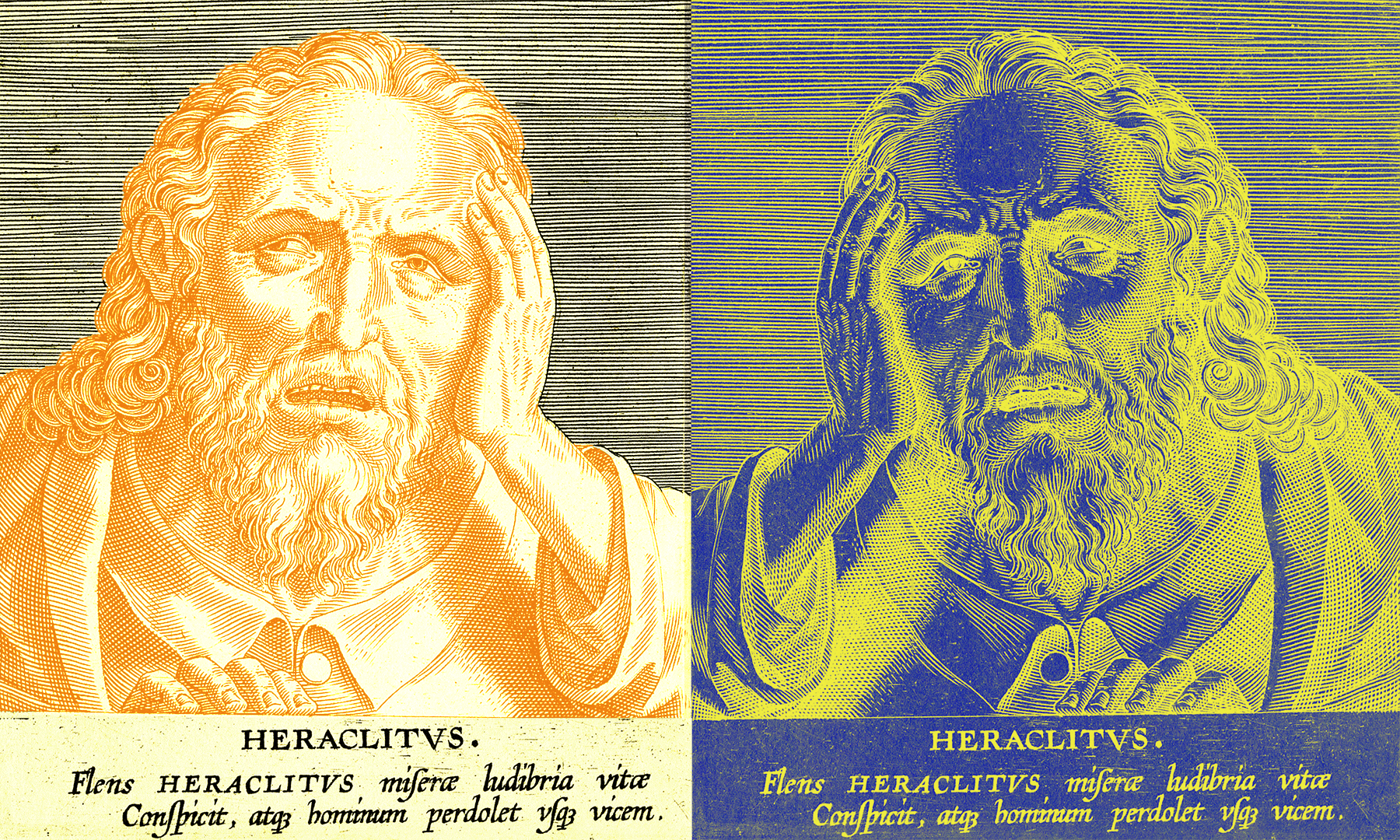
I don’t know if Homer was the most honored among the Greeks. In any case, the great Heraclitus of Ephesus did not share this opinion. Heraclitus the Obscure, of whom I am a kind of spiritual son, did not mince his words; he loved to put his feet in the water by denouncing the mistakes and follies of his contemporaries. The most educated, according to him, being the worst idiots. On this point, after 25 centuries, things have not changed.
Homer deserved to be driven from the contests with a stick, and similarly Archilochus.
Inverted Racism
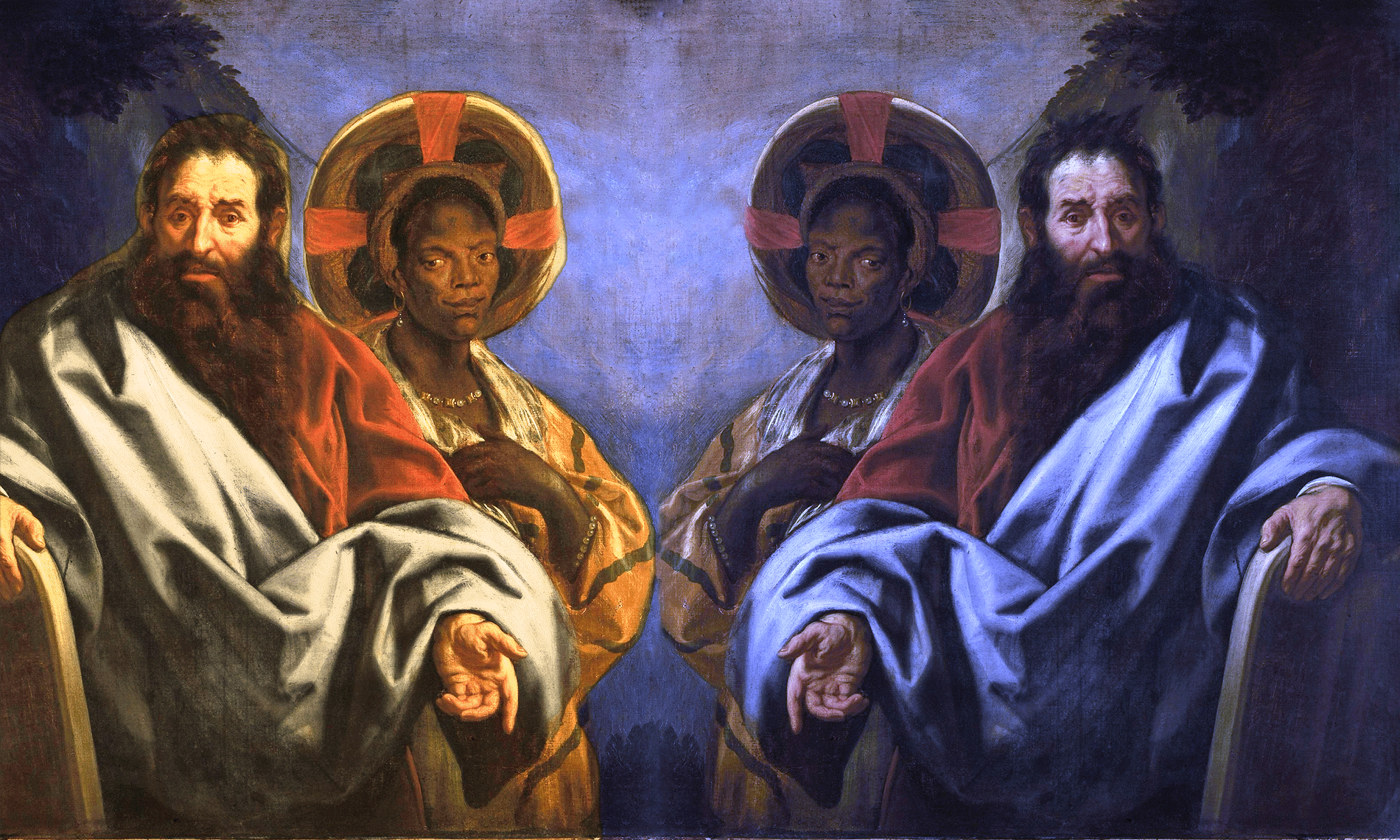
If the racism of which Blacks as a whole and in all countries are still victims of a depreciation or even contempt that would have shocked Greco-Latin antiquity. The diversity of skin colors is presented in a way that contrasts with ours.
“Starting with the Homeric epics, these differences in color can notably be read in a gendered way: male and female skin are perceived as relatively darker for the former, paler for the latter, and we should not be surprised to see emblematic characters of Greek culture, like Odysseus, described as ‘having black skin’ (Odyssey, XVI, 175), a sign among others of their full virility.” (source)
First Whites Females
In a negroid population with dark skin, the emergence of white skins was a late event, around the 2nd millennium BC — 4000 years ago, hardly more. Imagine that the first whites released from the Sumerian cloning machine were whites. Smaller than the Blacks, they hardly exceeded one meter fifty, when the Blacks reached four meters. Big difference.
They were essays, not quite to the point if we judge by the opinion expressed by Lucian of Samosata: The paleness is negatively connoted and, in a passage very representative of Greek conceptions, the author of the second century AD Lucian of Samosata thus opposes to the male bodies developed by outdoor exercises, women «soft, weak, raised in the shade, with white skin», because of a more sickly nature and temperaments, cold and wet (The disinherited son, 28). (source)
Black Saga
- Our Black Origins
- Prehistoric Nuke Reactors
- Maputo, Eternal Africa
- Black Buddhas
- America Was Black
- Pre-diluvian Peoples
- Olmec Heads
- Black Lilith
- Tarana Black America
- God Is a Black Goddess
- Back To Yoruba Country
- Yoruba And Etruscans
- The Secret Of Osiris
- The People of Osiris
- The Etruscans Were Black
- Female Pharaoh Hatchepsut
- Black Celts and Vikings
- Native Black Americans
- The Olmecs Were Astronauts
- Black Gods In America
- Lord Krishna
- The Sudeans Epic
- Black Sun
- Upside Down
- Black Virgins