


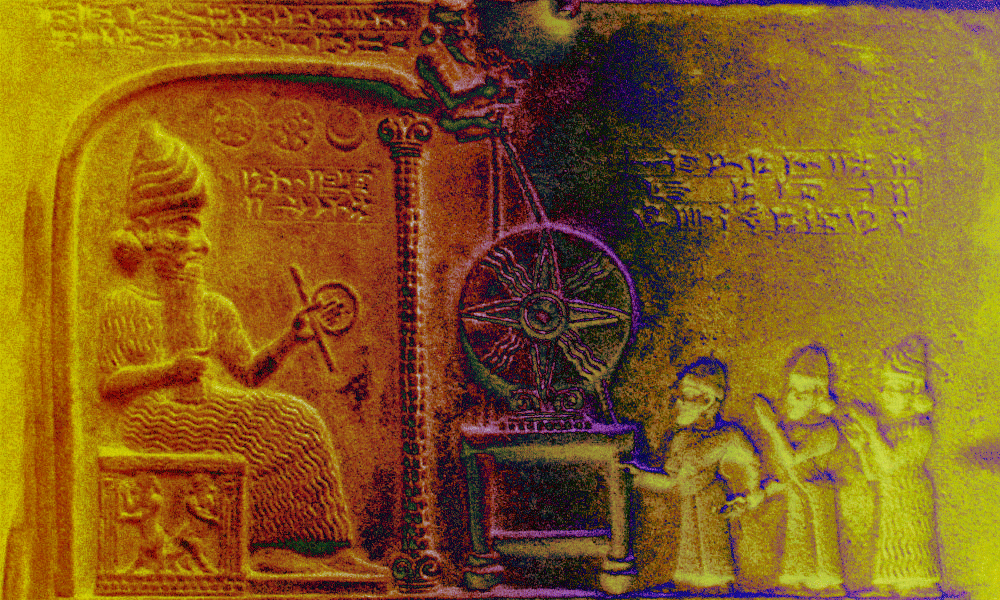
Why were they served as our absolute masters? Because they knew. Why did we fade before them? They knew. Why did they make us what they wanted? They knew. Why could they take our children? They knew. Why did they have such big teeth? Yes, yes, I know: because they knew…
Gods of Akkad
In front of us, they were giants. Four times great. Incomparable. They knew everything, and what they didn’t know simply didn’t exist.
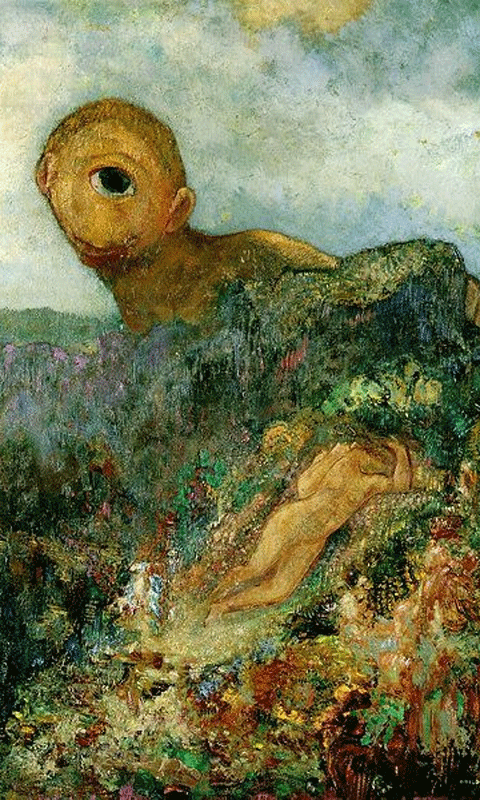 How beautiful, powerful they were! How knowledgeable they were! We obeyed them, not out of submission, but out of admiration. They exceeded our meager means in such proportions, they could be so cruel and suddenly so generous, we couldn’t condone them, only admired them.
We couldn’t imitate them, so we singled out their flaws. We were simple and unpolished, they taught us pride. We were docile and easy to convince, they taught us to obey. We were upright and pure, they taught us how to play pig tricks, lie, perjure oneself, steal, deceive, mock, all the skills of the gods, inexplicable, inimitable…
Yet, how we tried to be so bad, so cunning, so cruel! In vain, the step was too high for our short legs. We dressed like them, but to no avail: it didn’t make us grow.
We lied like them, without success: our nose moved at each lie. We tried to speak as loudly as they did, in vain, they had the chest, the lungs, the mouth and their cries made the walls fall.
We wanted to fly like them, without wings, just sitting on some kind of barrel. How many died in our ranks. We lacked the recipe, the know-how, the power of being. We were especially lacking mechanical intelligence and technology. These two qualities, the former gods possessed them to such an extent that we are far from equaling. Still very far.
Any sufficiently advanced technology is indistinguishable from magic.
Iraq or Mesopotamia
The gods of the Mesopotamian region were not uniform in terms of name, power, origin or status in the hierarchy.
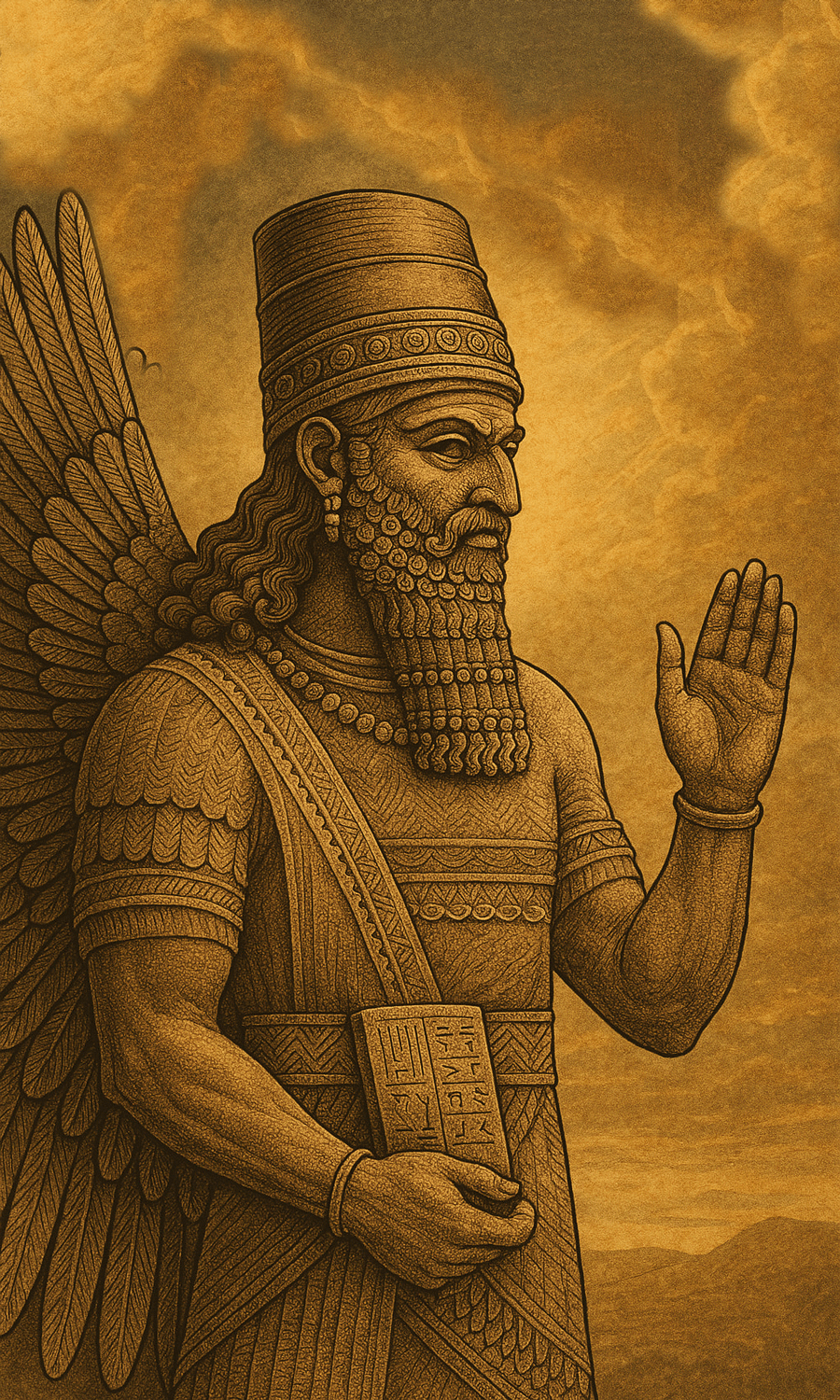 Mesopotamian culture varied from one region to another and, for this reason, Marduk should not be considered the king of the gods in the same way as Zeus in Greece. While Marduk was highly revered in Babylon, Enlil occupied this place in Sumer. (source)
Of course, because before the stupid invention of the one god, almighty, eternal and company, there were hundreds, thousands of gods. If they lived very long, it’s thanks to drugs. They were mortal like us, like everything that lives.
A single god is an aberration.
An immortal god is a dead god.
It should also be noted that the English word “demon”, understood as an evil spirit, derives from the Greek word “daimon” which simply meant “spirit” and that many of the supernatural entities in the Mesopotamian pantheon designated as “demons” were not necessarily evil. (source)
On the contrary! When Socrates mentions his daimon, he appears as a good luck charm, even a protector. The conception of the evil demon dates from the invention of the unique god. All other gods have necessarily been demonized.
Here is a list of the gods of the Mesopotamian pantheon, but as these peoples venerated between 300 and 1000 different gods, it is in no way an exhaustive list.
Thorkild Jacobsen states: “The gods who formed the assembly of the gods were legion. It is not possible to characterize more than a few of the foreground.” (source)Thorkild Jacobsen, Treasures of Darkness: A History of Mesopotamian Religion
Analysis of the Bas-Relief
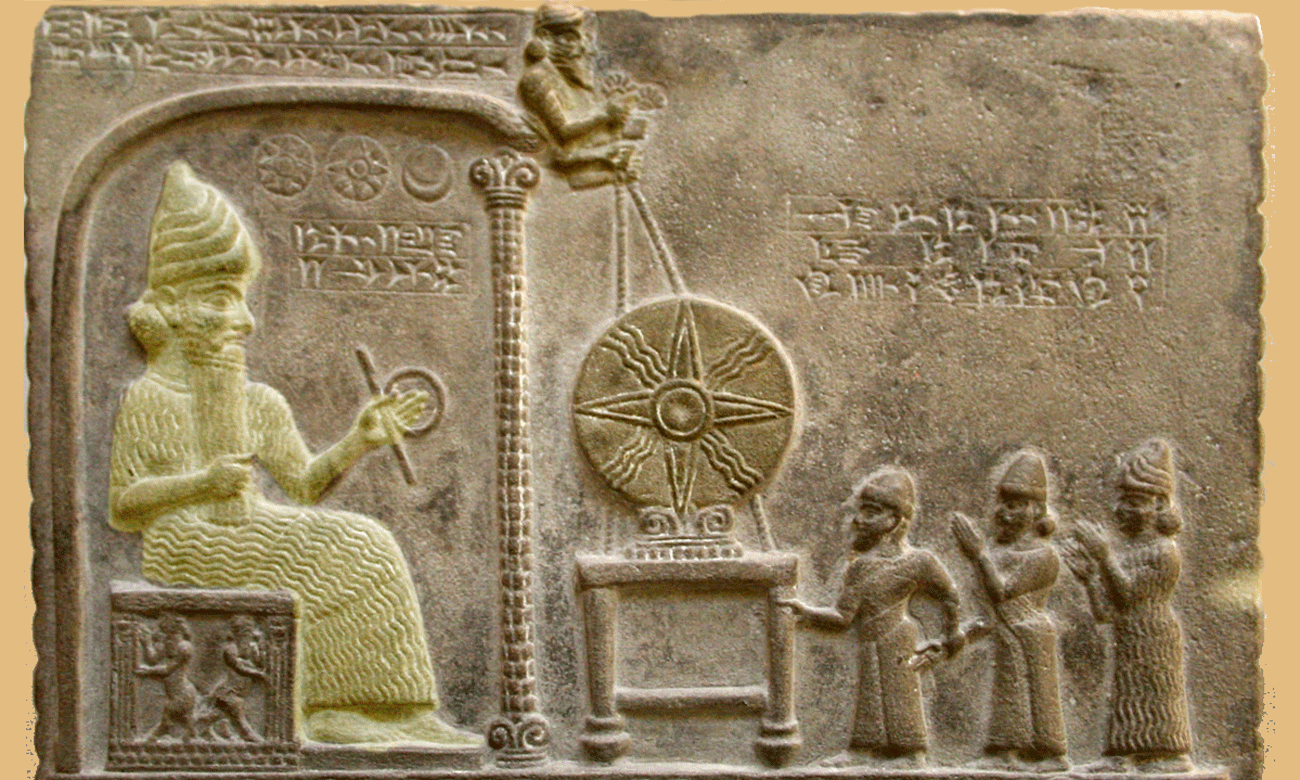
The cuneiform inscriptions could inform me about the meaning of this scene, if some reader can read them, let him write to me.
Here is a king of Akkad –a god from before as I like to say– who receives tributes from his human priests. The elite of his servants, since then, all humans are the servants –slaves! — of gods.
How big is it? His imposing stature does not come, as has been written, from the impression of grandeur imposed by his knowledge and authority. His size is real. He measures between 4m and 4m20. This god is handsome…
This size is that of the fourth humanity: Zeus and the Olympians, Atlas, Osiris, Mammon, Baal etc. The giants of the third humanity measured from 10 to 12m; those of the second humanity, 18 to 22m; and the first humans, the Cyclopes, were able to exceed 50m.
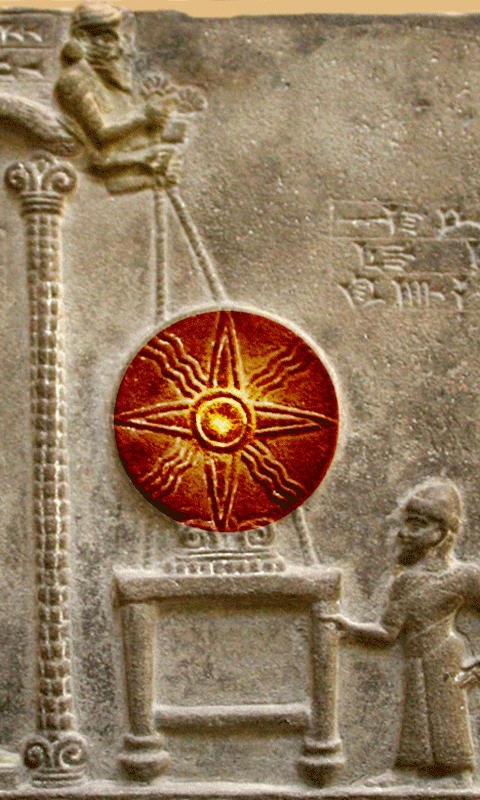 The first priest holds one of the four feet of the altar that does not touch the ground. A human perched near the ceiling holds two ropes that carry the altar and maintain a ritual object placed on the altar: a round plate with a carved figure.
The priest seems to push towards the god this table and what it carries, the engraved plate. It is at the center of the image, subject to everyone’s adoration. One can assume that the spectators were prostrating themselves in front of her.
What does it show that is so worthy of respect, even of worship? A religious sign? Better yet, the earthly paradise.
Yes, this engraved circle represents the Eden, this place that all civilizations evoke at the origins of our humanity, a place located a little above our planet, vertical to the north pole. It is the mother ship of a humanoid extraterrestrial civilization, which our first ancestors called gods. And that I call the former gods.
Plato named it Hyperborea, literally ‘above the North Pole‘. All civilizations evoke it, this place of our origin. And each one relocated it to their home, of course. In fact, just like Atlantis, the flagship Hyperborea moved. But his favorite place, the one where he stayed the longest, is at the vertical of the north pole.
Seen from above, it looks exactly like this engraved circle. A sphere divided into four quarters, like an apple. The districts are separated by four artificial rivers that flow from the top of an elevation, also an artificial mountain, Mount Kaïlash, Olympus or one of the many names given to it. I list a few of them below.
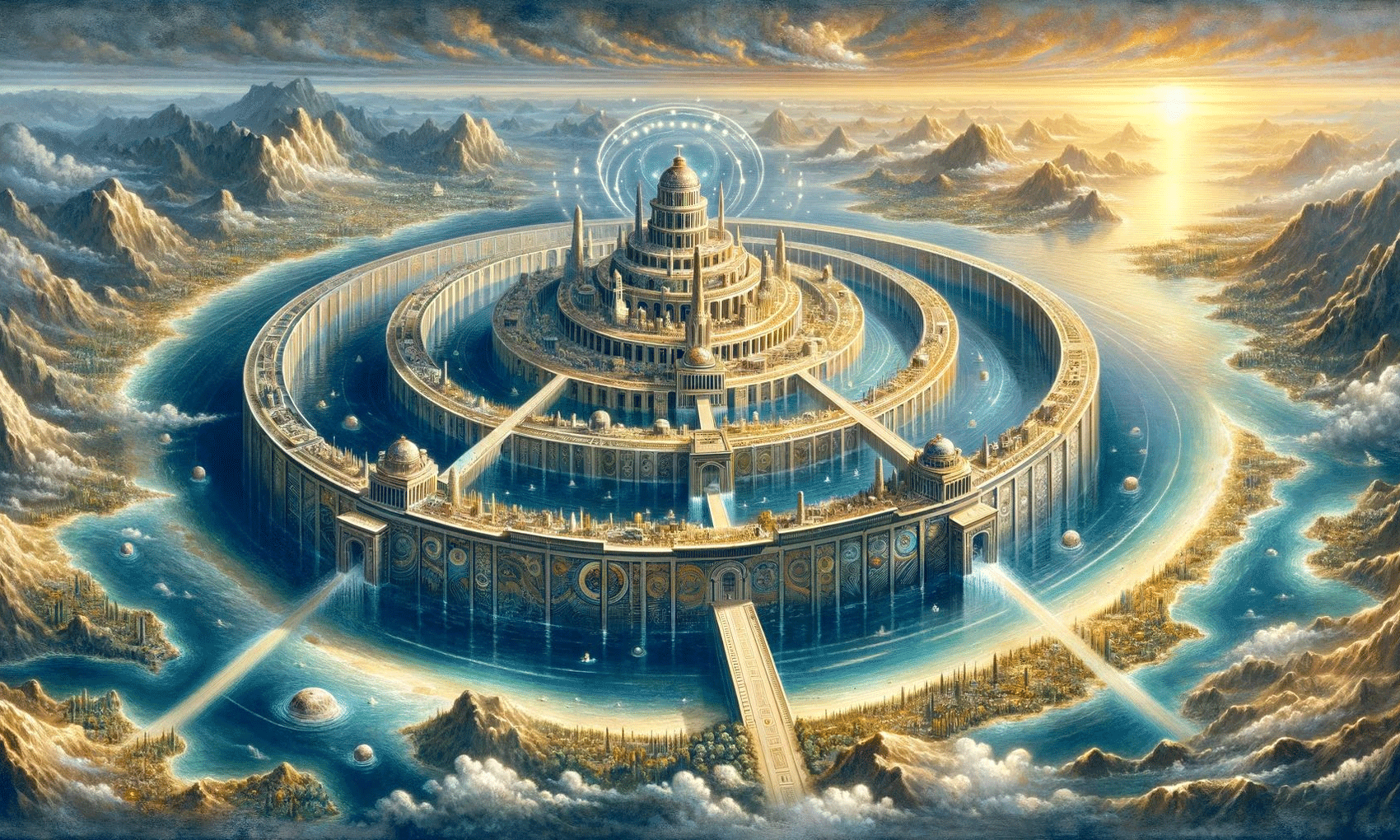 Celtic Paradise — three circles around Gwenwed, the White Light
The Hundred Names of Paradise
The gardens of Eden where four rivers flow with milk and honey, it is Hyperborea. The hanging gardens of Semiramis, queen of Babylon, it is Hyperborea. The garden of delights of the very ancient Mazdaism religion, it is Hyperborea. Haraiti, the Caretaker or Hara Berezaita the High Protection of the ancient Mazdaist religion of the Persians, it is Hyperborea. Nibiru, the wandering planet of the Babylonian religion, is Hyperborea. Olympus, the paradise of Zeus and his divine friends, is Hyperborea. The Garden of the Hesperides, a mythical paradise island populated with divine beauties, it is Atlantis where it is Hyperborea. The Tlalocan, the paradise of the Aztec god or Maya Tlaloc or Tchac, relocated at the top of the highest mountain in the Andes, it is still Hyperborea.
Gwenwed, the circle of white light, the subtle paradise of the Old Celtic religion, is Hyperborea. Avalon, the magical island that appears and disappears, the island of the superb western magicians, is Atlantis or it is Hyperborea. Yggdrasil, the ash-tree of the world, dear to the heart of the Vikings, it’s Hyperborea. Asgaard, the enchanted land of the Aesir gods, it’s Hyperborea. Walhalla, the paradise of the old Norse religion, is Hyperborea. The paradise of Allah, with a thousand virgins where one recognizes the beauties of Avalon, it is Atlantis, it is Punt and it is Hyperborea. The Christian paradise, near God, saints and angels, in heaven where everything is perfect, oh yes, yes, it is also Hyperborea.
 The flying island described by Plato is Hyperborea. The island of the Watchers, also cited by Plato under the name of Aeria, the aerial, it is Hyperborea. The temple in heaven mentioned by Plato is Hyperborea. The solar ark, the Throne of the Sun or the Chariot of the Sun led by Apollo, it is Hyperborea. The mythical country of the Attacores, in the extreme north of Asia, is Hyperborea. Mount Meru, sung in the Vedas, is Atlantis where it is Hyperborea. Mount Kailash, center of the world for the Tibetans, is Hyperborea. Uttara-Kuru, another mythical continent of extreme north Asia, is Hyperborea. The Mountain of Light or White Mountain of Syr from the Book of Enoch, it is Hyperborea. The four northern islands, which are still called the island of the four masters, it is still Hyperborea.
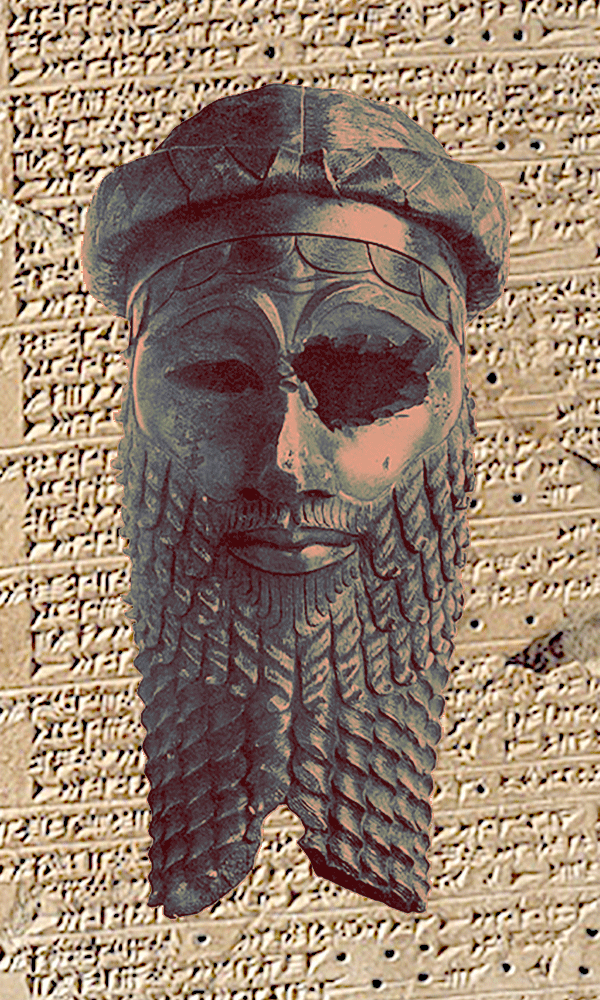
Naram-Sin (or?) copper alloy head
temple of Ishtar, Nineveh. (National Museum of Iraq)
Naram Sin
Shamash, also transcribed as Šamaš, is the Akkadian name of the god-Sun in the Mesopotamian pantheon. It corresponds to the Sumerian Utu. He occupies a small secondary position in the divine hierarchy compared to the god Moon Sîn, considered as his father, and has an erased role in mythology, which contrasts with the great popularity he enjoyed among the ancient Mesopotamians, as evidenced by the fact that many of them bore a name referring to this god.
Naram-Sin or Naram-Suen, Loved by Sin, reigned over Akkad from 2254 to 2218or from 2253 to 2198 BCE.Before the Common Era Fourth king of the empire of Akkad, founded by his grandfather Sargon of Akkad around 2300 BCE, he inherits all of Lower Mesopotamia, a country dominating the neighboring regions, but weakly structured.
The numerous written sources dating from his time are too laudatory to be credible. Historians know nothing with certainty about him.
- we don’t know the exact duration of his reign: the Sumerian King List credits him with 56 years of reign but it’s doubtful.
- we do not know the exact dates of his rise to the throne and that of his death.
- we do not know in what order the events of his reign are taking place: the Great Revolt, or general insurrection, ignites the cities of Lower Mesopotamia and fails to win the Empire of Akkad; its numerous conquests in Mesopotamia, which earned him the title of King of the Four Regions and God of Akkad.
“The gods who formed the assembly of the gods were legion. It is not possible to characterize more than a few prominent ones,” writes Thorkild Jacobsen, whom I quoted above.
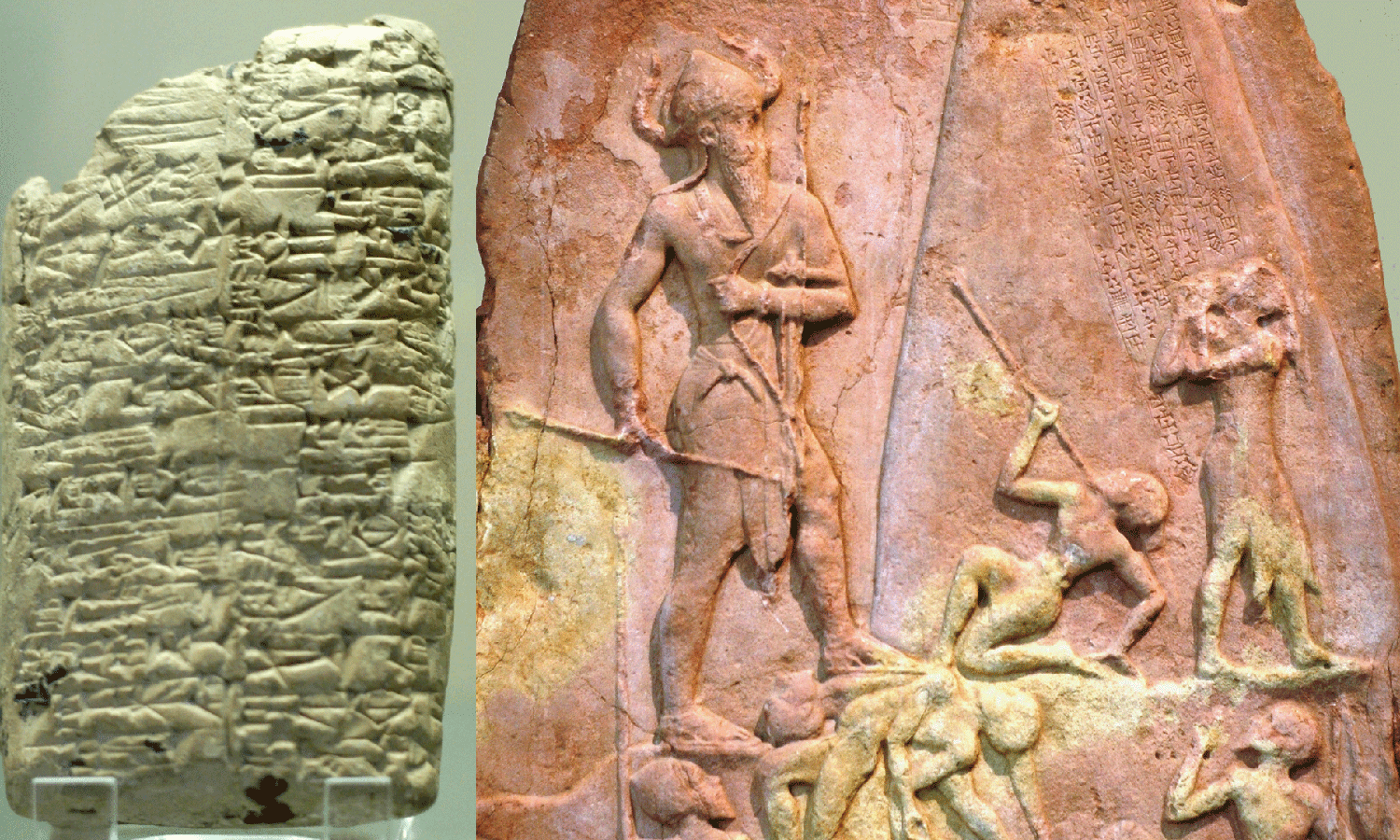 Tablet Rimush — Stele of Naram Sin — Louvre Museum
Naram by Himself
Since historians agree to fight among themselves, let’s judge Naram on the face. His portraits speak volumes.
God, the son of the god Sin was certainly so, as his stature bears witness: on the stele above, he is three times human-sized. Naram measured in the 4m, like Zeus, Osiris and other gods before. Her physical strength was more than three times ours. Naram sticks a flick on your back, you fly for three months, says the proverb I just invented.
He declared himself heir of Sin, the Akkadian god of the Moon, whom the peoples of the time held to be inhabited.
I know that it still is, just like the Earth…
NASA recently taught us that the rotation of celestial bodies, projecting matter outward, explains their spherical shape. Result: they are hollow.
It’s physically coherent, too bad we were taught the opposite. To wonder if astrophysicists do elementary physics. The models adopted by Wikipedia strictly exclude the theories of the Hollow Earth, the Hollow Moon, etc. Not without a poorly concealed mockery. Patience! Scientific trends change with the winds. In Britanny where I live, the winds are changing quite often …
The Four Quarters
Heir of Sin, protected from the gods of the Moon, Naram Sin is appointed Master of the Four Quarters. It’s one of the names given to the transparent Hyperborea big apple, seen from above. The four quarters are separated by four rivers, the four rivers of Eden, which some have identified with the Mesopotamian rivers, Tigris and Euphrates. Two rivers have never made four. Have a look higher, Hyperborea is above the North Pole…
Adorned with many titles, this king of Akkad is one of the most powerful Gods of the time — and of this region of the world. It’s that there were gods, in those days, a long time ago.
Are there still gods on Earth? We hardly see them. There were many skeletons of giants that the prestigious American institute Smithsonian thought good to destroy. An eminently scientific approach: what cannot be explained must disappear, it is cleaner.
Poor science! And poor of us!
Good advice: let’s no longer count on it…
 So everything turn, turn, turn
They Did Know
Yes, the former gods knew. They didn’t know everything, no. But they knew much more than we did. That’s why we loved them. We admired them, respected them, adored them, and when they died they were buried with pomp and circumstances because their glory was proportioned to their gigantism. Oh yes they died, all the living beings must die.
They were black, and black in our eyes expressed perfection. When I look at a black woman or a black man, I melt with joy and admiration. This people is perfect. How the whites have been stupid, blinded by an idiotic pride!
Black Saga
- Black Buddhas
- America Was Black
- Pre-diluvian Peoples
- Olmec Heads
- Our Black Masters
- Black Lilith
- Tarana Black America
- God Is a Black Goddess
- Back To Yoruba Country
- Yoruba And Etruscans
- The Secret Of Osiris
- The People of Osiris
- The Etruscans Were Black
- Female Pharaoh Hatchepsut
- Black Celts and Vikings
- Native Black Americans
- The Olmecs Were Astronauts
- Black Gods In America
- Lord Krishna
- The Sudeans Epic
- Black Sun
- Upside Down
- Black Virgins
- Our Black Origins
- Prehistoric Nuke Reactors
Past Greatness
At rest, this former world champion remembers his past greatness, and the strongest, he doesn’t care about it anywhere. He doesn’t care. He doesn’t care. He doesn’t give a damn about the noodles. He doesn’t care, he doesn’t care, he’s leaving.
That is its strength. When your ancestors have dominated the world and its beings for so many millennia, you no longer have anything to prove. You dance. You clap your hands, you make music, you dedicate yourself to the rhythm, because the rhythm imitates the man. The white is as unrhythmic as the sacred music so dear to the old broken Cathos.
The distribution of powers on this planet shows quite how deep we have fallen. Those who lead are the least qualified. Those who know are mocked, treated as buffoons, assholes, ignorant backward people, false asses, stupid zeros, mentally ill, nature’s mistakes. They are fed to earthworms. Bitter fence. Unhealthy.
Bye. Silence will tell.
Giants
- Planet Of Giants
- Angels And Giants
- The Ancient Giants
- The Smithsonian Case
- The End of Giants
- Gigantic Trees
- Gargantua And The Folk Giants
- The Giantess
- The Changing Of The Gods
- They Knew
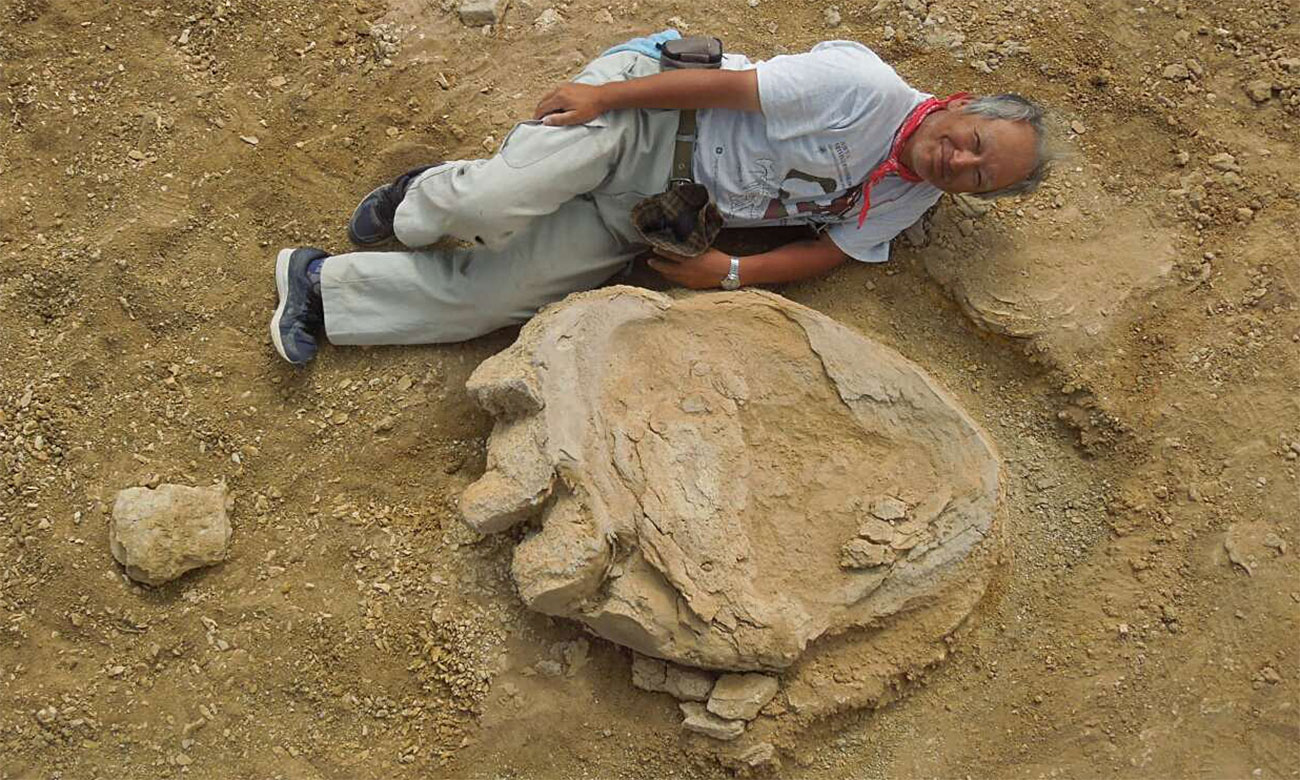 Giant Dino Print